Every Seoul itinerary eventually collides with the same claim: "Dongdaemun's malls are open all night." It's true — mostly. But the district is really two shopping ecosystems stacked on top of each other, and knowing which one you're walking into is the difference between a great night out and standing confused in a building full of vendors who don't want to sell you one hoodie.
Here's the honest version.
A market with a long memory
Dongdaemun Market opened in 1905 — on the site of today's Gwangjang Market — and is often described as Korea's first modern marketplace. It takes its name from Heunginjimun, the "Great East Gate" of Seoul's old fortress wall, which still stands at the edge of the district. After the Korean War leveled the area, garment workshops sprang up along Cheonggye Stream, and the Peace Market (Pyounghwa Market) opened in 1962 as a hub for the clothing trade, according to The Korea Times. The glossy mall era arrived in the late 1990s with complexes like Migliore, and by the early 2000s local reporting counted roughly 30 shopping centers and tens of thousands of stores.
The newest landmark is the Dongdaemun Design Plaza (DDP), Zaha Hadid's silver, curve-everything building that opened in March 2014 on the site of the old Dongdaemun Stadium, clad in some 45,000 aluminum panels. It hosts exhibitions and design shops, and at night the illuminated exterior is the best free photo op in the neighborhood.
The two Dongdaemuns: retail vs. wholesale
This is the part most "open 24 hours!" posts skip.
Retail malls — Doota Mall, Migliore, Hello apM, Lotte Fitin — are what most visitors actually want. They work like anywhere else: fixed prices, card payments, buy one item, no awkwardness. Doota, the district's flagship, mixes Korean designer boutiques with global brands, per Visit Seoul's listing. These malls open mid-morning and run late — some until midnight, some into the early hours — but exact closing times vary by building and have shifted over the years, so check the mall's own site the week you go rather than trusting a blog post (including this one).
Wholesale buildings — names like apM Place, Designer Club, Nuzzon, and U:US — are where boutique owners from across Korea and Asia come to stock their stores. They run on a vampire schedule, roughly 8 p.m. to 8 a.m., and the etiquette is different: cash is preferred, prices are negotiated, and many vendors expect minimum quantities. Some will sell a single piece if you ask politely (the phrase you'll hear is nangae — one item — often with a small markup), but some won't, and browsing with a coffee in hand marks you as a tourist immediately. Also note that wholesale buildings typically close over the weekend break — Saturday night is the common dead zone.
The honest take: if you just want cute clothes at fair prices, the retail malls plus the street stalls will cover you. The wholesale floors are genuinely fascinating to see — carts of plastic-wrapped clothing flying past at 3 a.m. — but they're a working supply chain, not a tourist attraction, and it's worth being a low-friction guest there.
It's also fair to say Dongdaemun isn't at its historical peak. The wholesale trade has reportedly shrunk from its early-2000s heyday as e-commerce and overseas competition bite, per The Korea Times. The district is still enormous and still fun — just go expecting a living, changing market rather than a frozen postcard.
Practical notes
- Getting there: Dongdaemun Station (Lines 1 and 4) or Dongdaemun History & Culture Park Station (Lines 2, 4, and 5). The latter puts you right at DDP and the main mall cluster.
- Timing: For retail malls, evening is fine. If you want the full night-market atmosphere, arrive around 9–10 p.m. and watch the wholesale side wake up. Avoid Saturday nights if the wholesale scene is what you came for.
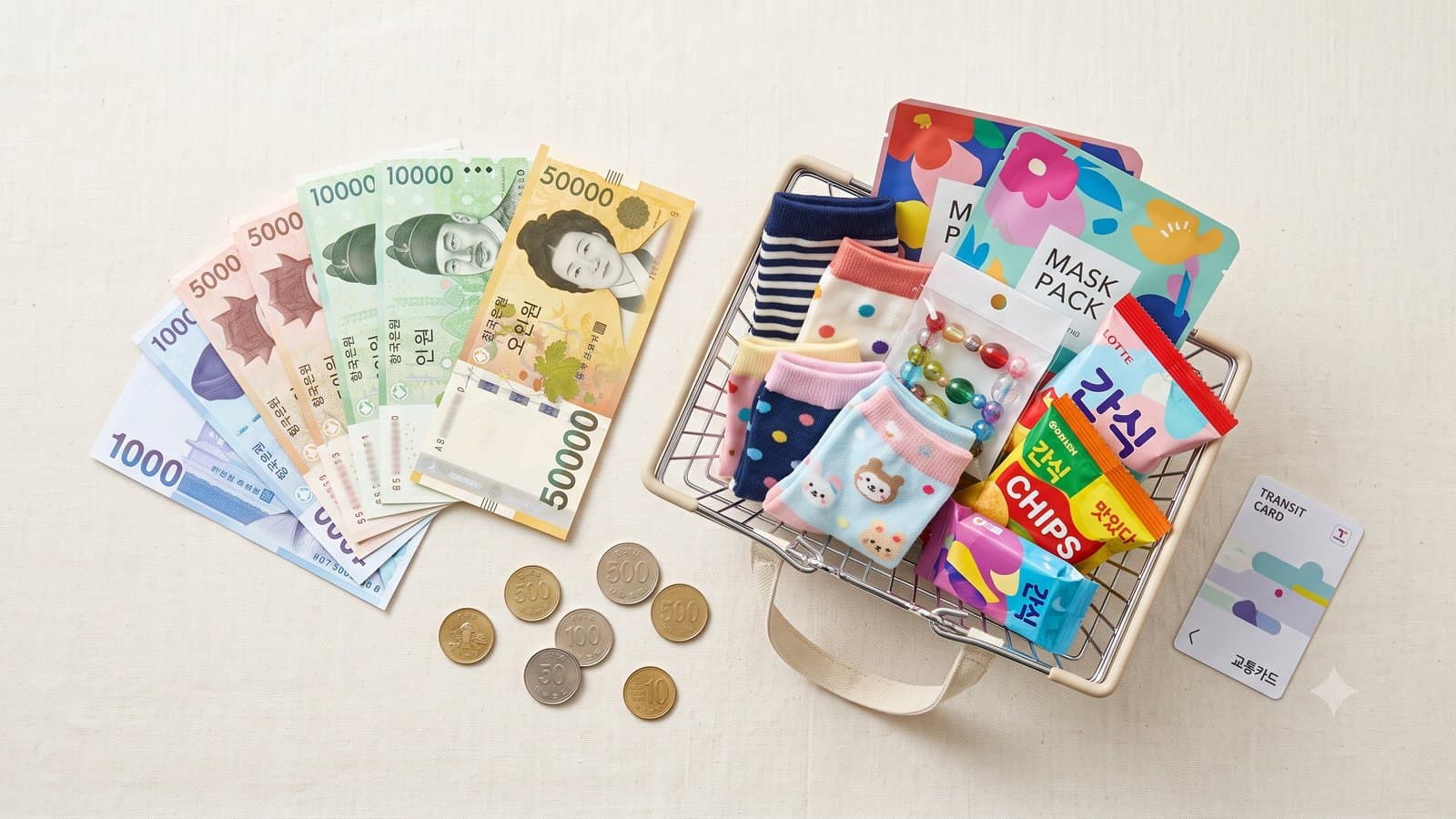
- Cash: Retail malls take cards everywhere. For stalls and any wholesale purchase, carry cash — vendors quote better prices for it.
- Fitting and returns: Assume no returns and limited try-ons outside the retail malls. Korean sizing runs small; when in doubt, size up.
- Haggling: Fine at stalls and wholesale counters, pointless in retail malls. A friendly ask of "discount?" gets you further than hard bargaining.
- Refuel: Gwangjang Market and its famous food alleys are about a ten-minute walk, and Cheonggyecheon Stream is a good place to sit down when your feet give out.
Is it worth it?
Yes — with calibrated expectations. Dongdaemun is less about scoring impossibly cheap luxury and more about volume, speed, and the slightly surreal experience of a fashion district that's busier at 2 a.m. than 2 p.m. Pair the DDP at night, an hour or two in a retail mall, a lap through the stalls, and a late-night snack run, and you've had one of Seoul's most distinctive evenings without spending much at all.
This article is independent editorial by Seoul Glow; we have no affiliation with any mall or vendor mentioned. Opening hours change often — verify before you go.