Korean prices confuse visitors in both directions: the zeros make everything look expensive (₩50,000 for dinner!), while the exchange rate makes some things absurdly cheap and hides the things that aren't. This guide fixes your price sense twice over — quantitatively (what each bill actually buys) and qualitatively (whether that's good value or a tourist tax).
The money itself, in 60 seconds
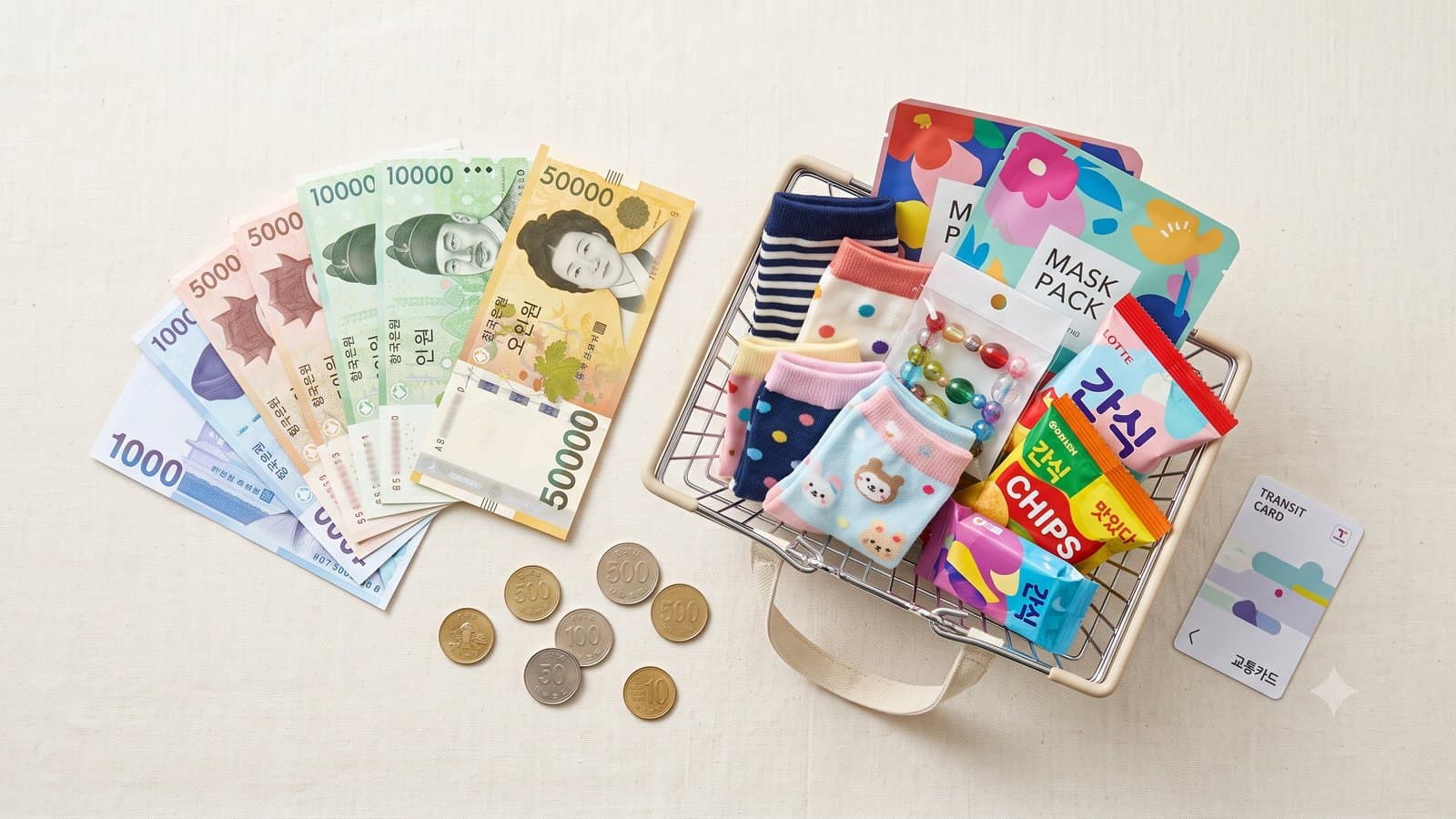
Four banknotes: ₩1,000 (blue), ₩5,000 (red), ₩10,000 (green — that's King Sejong, inventor of Hangul, on the front), and ₩50,000 (yellow — Shin Saimdang, the first woman on Korean currency). Coins worth caring about: ₩100 and ₩500.
The mental math: knock off three zeros and multiply by your currency's feel — at 2026 rates ₩1,000 is roughly US$0.70. The fast version every traveler converges on: ₩10,000 ≈ a US ten-dollar bill in spirit, slightly kinder.
The price ladder: what each note buys
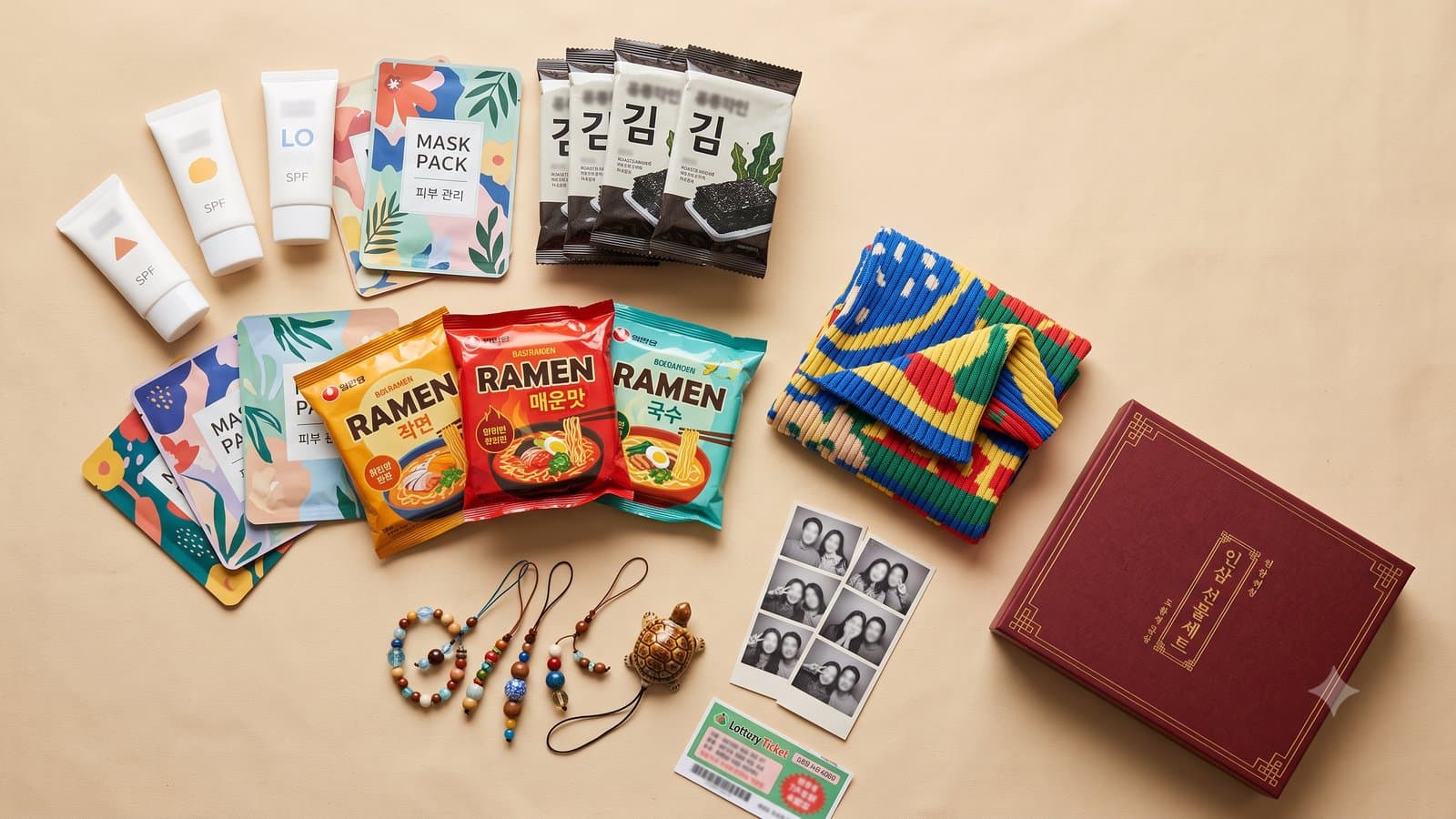
- ₩1,000 — a Daiso bead pack, a lotto ticket, a subway ride's spare change, one hour on a Han River bike.
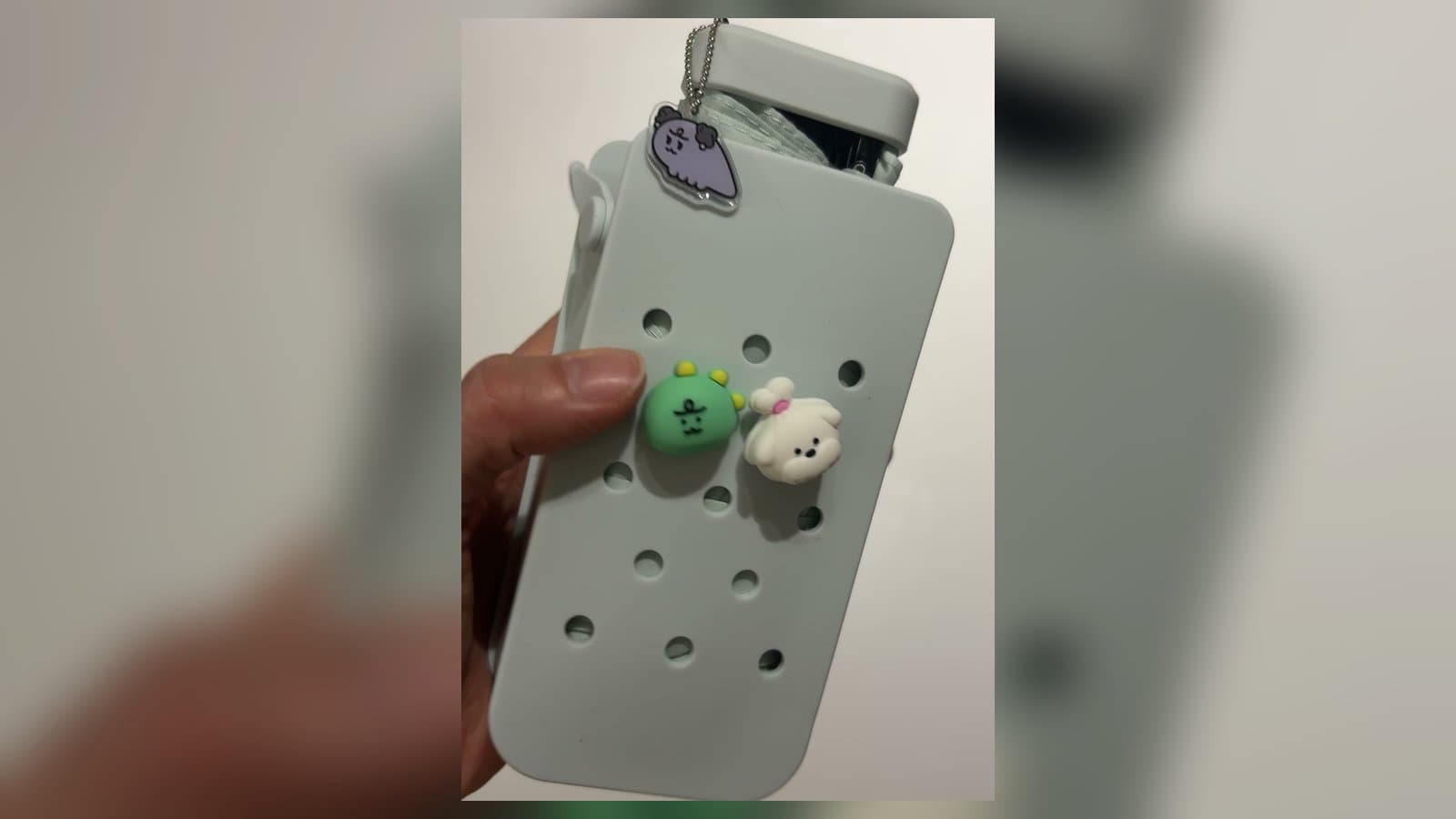
- ₩5,000 — the famous Daiso charm-hole umbrella, a solid gimbap roll with change, a low-cost-chain latte and pastry, two convenience-store ramyeon with toppings.
- ₩10,000 — a full bunsik meal for two, a four-cut photo session plus coffee, an Olive Young sheet-mask stack, or — see below — an entire Daiso basket.
- ₩50,000 — a generous Korean BBQ dinner for two with drinks, a jjimjilbang day plus massage chair money for a family, or a week of convenience-store breakfasts.
Daiso: the quantity benchmark
Daiso is the cleanest way to calibrate "how far does money go here," because every single item sits on one of six fixed prices: ₩500, ₩1,000, ₩1,500, ₩2,000, ₩3,000 or ₩5,000 — nothing more, and over 80% of its 30,000+ products cost ₩2,000 or less.
A realistic ₩10,000 Daiso basket: a sheet-mask trio, a bead charm pack, a ceramic bowl, travel bottles, socks, and a snack — with change. The quality judgment that surprises people: this isn't dollar-store junk tier; Daiso's viral beauty line and sold-out gadget drops exist because the quality-to-price ratio is genuinely distorted in your favor. Quantitative verdict: ₩10,000 = a shopping bag. Qualitative verdict: most of it survives the flight home and the second month.
The value map: where Korea is cheap, fair, and pricey
| Category | Price feel | The verdict |
|---|---|---|
| Public transport | Subway from about ₩1,400–1,550 per ride | World-class value — clean, fast, everywhere. Best money you'll spend. |
| Taxis | Base fare ₩4,800 | Cheap by Western-capital standards; late-night surcharges apply. |
| Street food & bunsik | Tteokbokki ₩4,000–6,000 | Excellent value and a cultural experience per bite. |
| K-beauty | Sheet masks from ₩1,000; sunscreen ₩10,000–20,000 | The category where your money works hardest — stock up here. |
| Cafe coffee | Big-name chains ₩4,500–5,500 | The quiet budget leak — Korea's cafe prices rival Western ones. Budget chains (₩1,500–2,500 americano) are the local workaround. |
| Restaurant meals | ₩8,000–12,000 solo meals | Fair-to-good; no tipping anywhere, which effectively discounts everything ~15% for Americans. |
| Fruit | A gift-grade melon can exceed ₩20,000 | The famous shock. Fruit is a luxury-gift category in Korea — buy it at markets, not department stores, and recalibrate expectations. |
| Fried chicken | A whole chicken ₩20,000–25,000 | Koreans themselves protest this inflation; split it and add beer and it's still a great evening. |
The meta-pattern: anything involving infrastructure or competition (transport, beauty, convenience food) is a bargain; anything involving imported goods, real estate, or gifting culture (fruit, cafe seats, brand goods) is not. Spend accordingly: let the subway and Daiso subsidize your BBQ nights.
Paying: three practical notes
- Cards work nearly everywhere — including street-adjacent shops and all franchises; carry ₩20,000–30,000 cash for traditional markets and tiny vendors.
- T-money (the transit card) doubles as small-change for convenience stores and taxis, and solves the coin problem.
- Purchases over ₩15,000 at tagged stores qualify for instant tax refunds with your passport — our refund guide covers the mechanics; it quietly knocks up to 10% off your shopping total.
Prices and fares are typical ranges per the cited sources as of October 2026 — exchange rates and fares move, so treat these as calibration, not quotes. Spending data not included: your Daiso receipt, which will exceed all projections.