Somewhere in our Korean dream dictionary, you may have learned that dreaming of a pig — or, gloriously, of poop — is Korea's signal to buy a lottery ticket. Which raises the obvious traveler question: can you actually do that as a foreigner?
Short answer: yes. Buying a Korean lotto ticket is one of the cheapest, most culturally loaded souvenirs in the country — ₩1,000 of paper that comes with a week of licensed daydreaming. Here's how the whole culture works.
The game: Lotto 6/45
Korea's flagship lottery is Lotto 6/45 — pick six numbers from 1 to 45, ₩1,000 per game, with a televised draw every Saturday evening. Jackpots are pari-mutuel (winners split the pot), and because Koreans buy in enormous volume, first-prize payouts routinely land in the billions of won — split among a surprising number of winners.
There's also the pension lottery (연금복권), which pays its top prize as a monthly stipend for 20 years — beloved by Koreans who, tellingly, often say they'd prefer the "monthly salary forever" fantasy to a lump sum — and Speetto scratch cards for instant-gratification players.
Can foreigners play? (Yes, with three rules)
- Anyone 19 or older can buy — no citizenship or residency required; you just have to buy inside Korea, at an official booth or convenience-store terminal. Bring cash: ₩1,000 notes are the standard ammunition.
- Buy offline. The official online platform (Dong-haeng Lottery) requires Korean identity verification, so tourists buy paper tickets at licensed retailers — look for the yellow "LOTTO" signs on street booths and convenience stores.
- Winning works for foreigners too. Small prizes are paid at any retailer or bank branch; large prizes are claimed at NongHyup Bank headquarters with your ticket and passport. Keep the physical ticket pristine — it's a bearer instrument, and a lost ticket is lost money.
On tax: Korean lottery winnings are taxed at source — small prizes are exempt, and larger ones have roughly 22% withheld, rising to 33% on the biggest jackpot tiers; non-residents may also owe tax at home depending on their country's rules. If billions of won ever genuinely enter your life via six numbers, spend a fraction of them on a tax adviser.
The culture: dreams, lucky stores, and Saturday ritual
What makes Korean lotto worth writing about isn't the game — it's the folklore stack around it:
- Dream-driven buying. The pig dream and poop dream aren't jokes; they're genuinely the most common reason Koreans cite for an unplanned ticket. A good dream is treated as a use-it-or-lose-it coupon from the universe — and tradition says don't tell anyone the dream until after the draw.
- Lotto myeongdang (명당) — the lucky store pilgrimage. Stores that have sold jackpot tickets advertise it with banners tallying their first-prize count, and the most famous ones draw literal queues — never mind that the machine picks random numbers regardless of where you stand. It's the same auspicious-place logic as saju cafes, applied to retail.
- The Saturday evening ritual. The draw airs live on TV, and checking your numbers — or having the clerk scan your ticket Monday morning — is a small national rhythm. The standard Korean lotto fantasy conversation ("당첨되면 뭐 할 거야?" — what would you do if you won?) is functionally a personality test, which, as we've established, is Korea's favorite genre.
One context note: Korea regulates gambling tightly — casinos are largely off-limits to Korean citizens — which makes the humble lottery the country's main legal flutter, run by the government with proceeds funding public programs. That's part of why it's so culturally mainstream: it's the one bet everyone's allowed to make.
How to do it as a visitor
- Find a booth or convenience store with the lotto terminal (they're everywhere; Seoul's famous myeongdang stores are their own mini-attraction if you want the full experience).
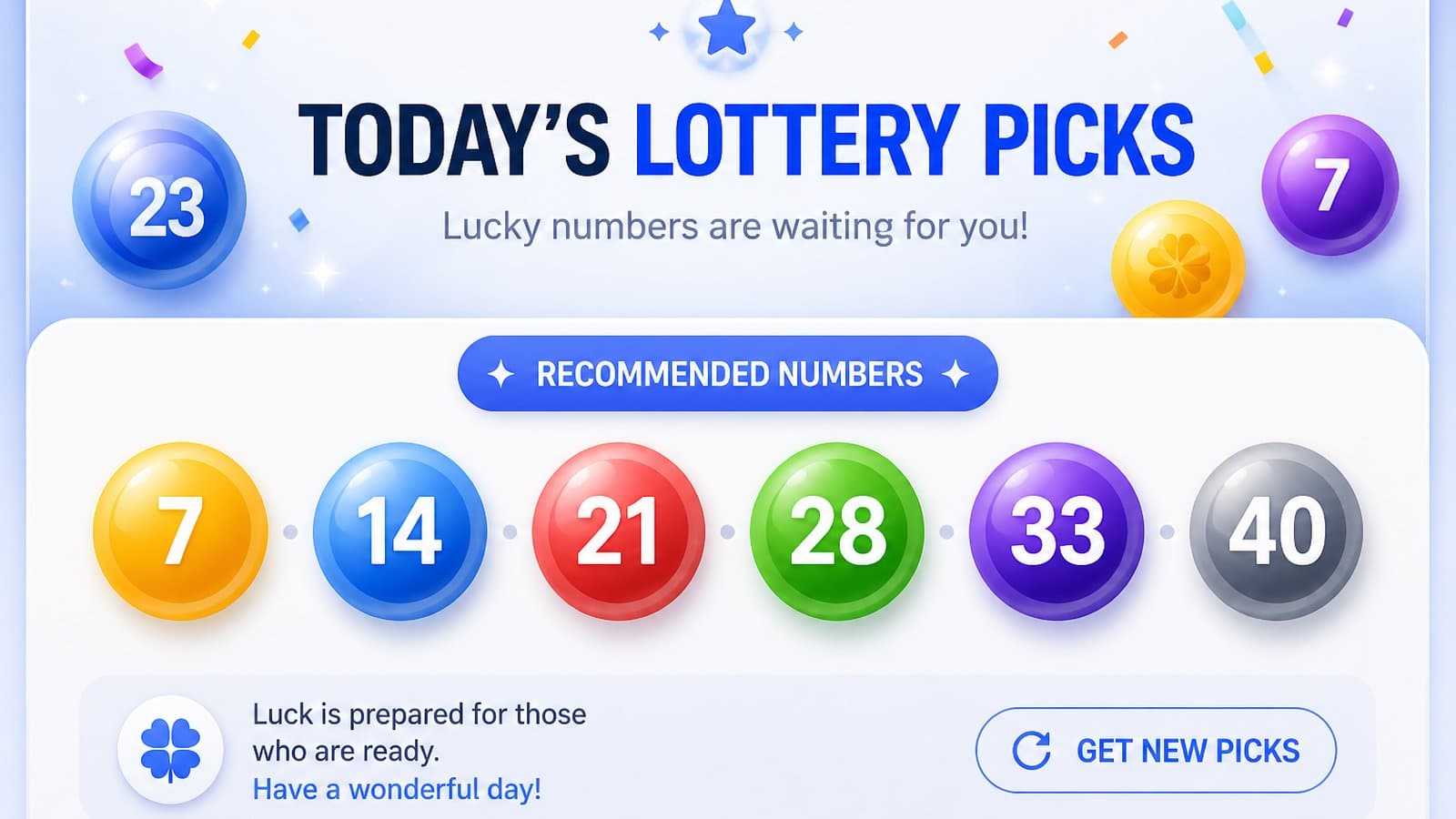
- Ask for "로또 자동" (lotto jadong — auto-pick) and hand over ₩1,000, or mark six numbers on the slip yourself — the generator at the top of this page will happily pick them for you. Birthday numbers cap at 31; locals will tell you that's rookie behavior in a 45-number game.
- Keep the ticket safe, check Saturday night, and claim small wins before you fly out — prizes have a one-year claim window, but your ticket can't be redeemed from abroad.
- Didn't win? You now own a dated, officially printed Korean souvenir that cost ₩1,000 and came with a week of imagination. As souvenirs go, the expected value is honestly competitive.
Lottery play is for adults 19+ and should stay at pocket-money scale — this article is cultural guidance, not financial advice. Rules, prices, and tax details reflect the cited sources as of September 2026; verify at official Dong-haeng Lottery channels before relying on them.