Every country has drugstores that sell beauty products. Korea has Olive Young (올리브영) — a chain so central to K-beauty that its shelf placement effectively is the industry ranking, its quarterly sale is a national event, and, per recent Korean business reporting, foreign visitors now spend over ₩1 trillion a year in its stores. The same reporting found repeat foreign customers — people who fly to Korea more than once a year timed to Olive Young's sales — have grown roughly 11-fold in three years.
In other words: you were probably going anyway. Here's the system knowledge that separates a confused first visit from a surgical haul.
How Olive Young works
Think of it as Korea's beauty referee. Stores are everywhere (every district, every station hub), stocked with a rotating meritocracy of Korean brands across price tiers, with rankings displayed in-store and online. Shelf space turns over fast — a brand that goes viral lands an end-cap within weeks, and the "Olive Young Awards" stickers on packaging function as the country's most trusted beauty shorthand.
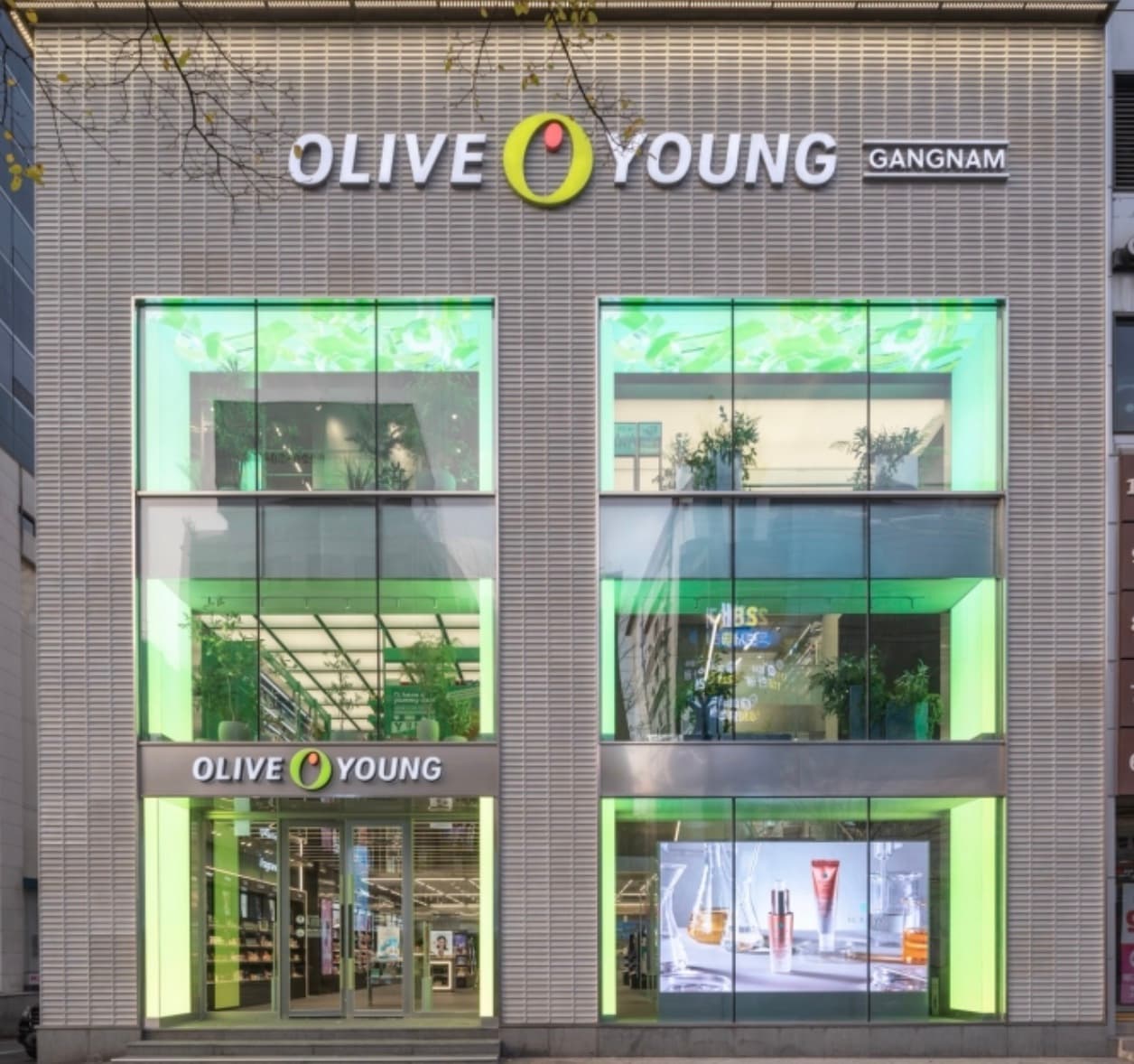
For visitors, the important store tier is the tourist-zone flagships — Myeongdong, Hongdae, Seongsu, and major spots in Busan and Jeju — which the company has been expanding specifically for foreign shoppers: bigger floors, more English signage and staff, and tax-refund counters.
The two money systems to know
Olyoung Sale (올영세일). Four times a year — March, June, September, and December — Olive Young runs a chain-wide sale with 1,500+ participating brands and discounts that make Koreans stockpile a quarter's skincare in a week. It's popular enough that, per the company's own data, thousands of foreigners now time trips to it. If your travel dates are flexible and shopping is a priority, aligning with a sale month is the single biggest money move.
Instant tax refund. Spend ₩30,000 or more in one transaction, show your passport at checkout, and the tax refund (roughly 10%) is applied on the spot at participating stores — no airport paperwork for those purchases. Look for the Tax Free signage (tourist-zone stores virtually all have it), and note per-transaction and trip limits exist for instant refunds; big hauls may still route through the airport counter.
Shopping by skin type, not by hype
The overwhelm is real: the useful strategy is to walk in knowing your lane, because Korean skincare organizes itself by concern:
- Dehydrated / dull skin → the hydration wall: hyaluronic serums and toners (Torriden's Dive-In line is the perennial ranking fixture), gel creams, and the sheet-mask multipacks we covered in our mask guide.
- Sensitive / reactive skin → the soothing lane: heartleaf (어성초), centella (cica), and madecassoside products — Abib and Anua built their reputations here — plus the "for sensitive skin" sunscreen shelf, one of K-beauty's genuine strengths.
- Oily / breakout-prone → tea tree and BHA territory: Mediheal's tea tree masks are the category's icon, and the cleanser/toner-pad aisle runs deep for oil control.
- Aging concerns → the eye cream and firming shelf — retinal and peptide formulas at prices that undercut Western brands dramatically. Eye creams are a rising search category for a reason: this is where the value gap versus home-country pricing is biggest.
- Everyone → Korean sunscreens. Whatever your skin type, the sunscreen aisle is the consensus best-in-world section and the safest blind buy in the store.
(Product examples above reflect Olive Young's reported rankings and awards rather than our testing — check current in-store ranking displays, which update constantly and don't lie.)
Practical playbook
- Go once early in your trip to scout and patch-test, then do the real haul later — reactive skin discovered at the airport is a bad souvenir.
- The ranking shelves are your shortcut: in-store bestseller displays per category are effectively a pre-vetted shopping list.
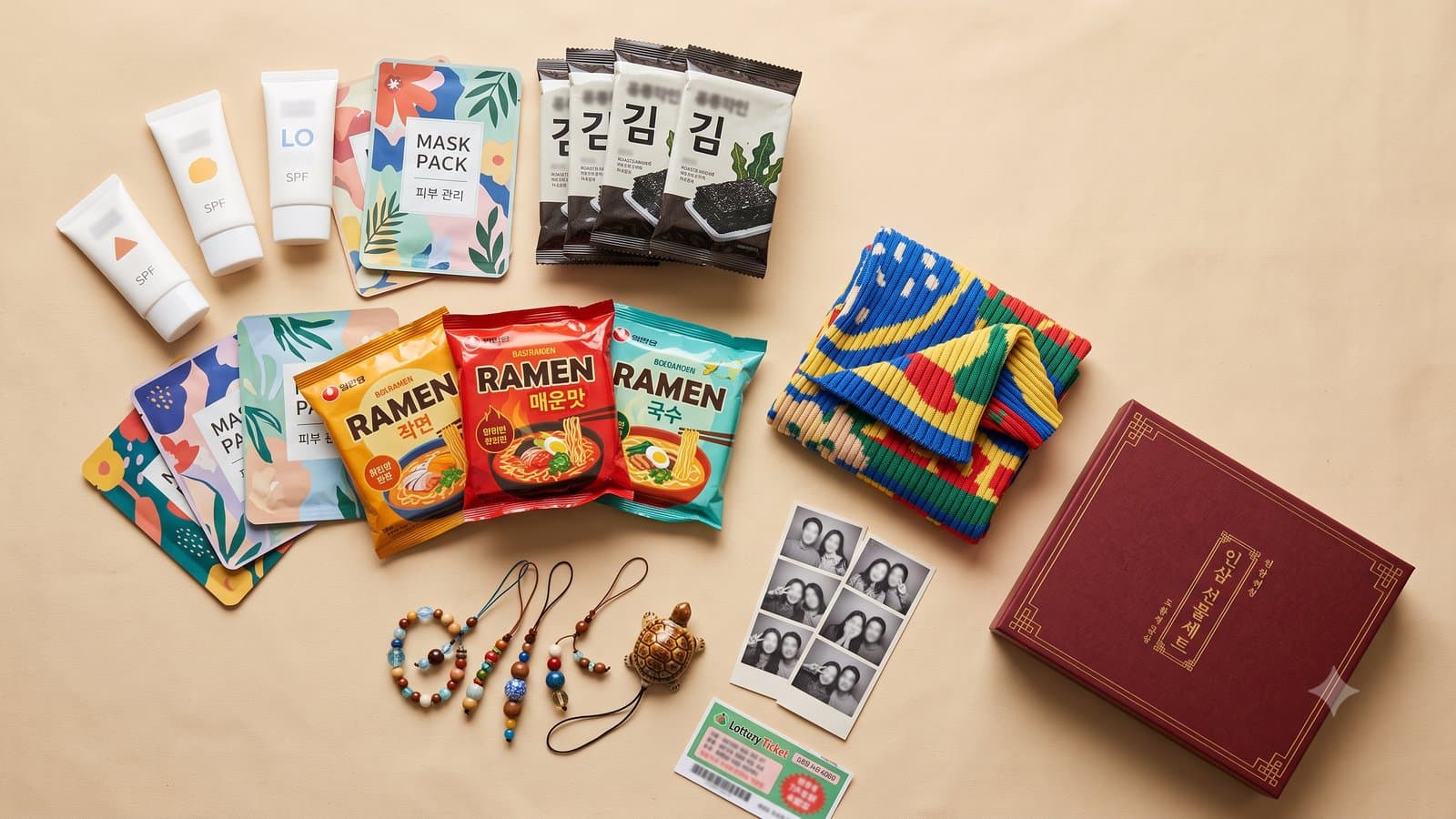
- Multipacks and sets are where the math wins (masks especially — singles are for sampling).
- Weekday mornings at tourist flagships are civilized; Myeongdong on a weekend evening is a scrum.
- Can't visit? Olive Young Global ships internationally with the same rankings — prices and shipping are worse than in-store, but it's the legitimate channel for restocks (and safer than marketplace resellers, where counterfeits circulate).
- Pair the trip: Olive Young for the ranked mainstream, Daiso for the budget experiments (see our Daiso guide) — that combo covers the full Korean beauty price spectrum for under the cost of one department-store serum.
The bigger picture
Olive Young is the infrastructure under the K-beauty wave: the place where Korea's brutal domestic beauty competition gets scored, and increasingly a tourist destination in its own right — the reporting around sale-timed revisits describes something closer to pilgrimage than shopping. Walk in with a lane, trust the ranking shelves, claim your refund, and you'll shop it like a local with a flight to catch.
This article is independent editorial by Seoul Glow — no sponsorships, no affiliate links. Sales schedules, refund rules, and rankings reflect Korean retail reporting as of mid-2026 and change over time; not medical advice — patch-test new products.