Most first-time visitors to Seoul plan their shopping around the famous names: Olive Young, Myeongdong, the big department stores. What rarely makes the itinerary — and what many locals actually use for everyday fashion — is the network of shopping arcades built directly into the city's subway stations. Walk through the right passageway and the corridor simply keeps going: hundreds of small stalls selling dresses, bags, phone cases, bedding, and flowers, all without ever surfacing to street level.
These aren't food courts with a few kiosks. The biggest of them, Goto Mall at Express Bus Terminal Station, has over 600 stores lined along two parallel corridors, and The Korea Herald puts it at roughly 630 shops stretching 880 meters — the length of eight football fields, underground, in a straight line.
Why Seoul built a city beneath the city
Seoul's underground arcades are a product of the 1970s–80s construction boom. As one urban engineering professor told The Korea Herald, cities like Tokyo and London dug down mainly to connect transit; Seoul prioritized commercial underground development to keep pace with its economic growth. The result is that some of the city's busiest transfer stations double as full shopping districts, with the three largest sitting under Express Bus Terminal, Gangnam, and Jamsil stations.
For shoppers, the practical upshot is simple: these malls are climate-proof. In Seoul's humid July or sub-zero January, you can shop for hours without going outside — which is exactly when locals flock to them.
The ones worth your time
Goto Mall (Express Bus Terminal Station, Lines 3, 7, 9). The flagship. Two long corridors of women's fashion, accessories, homeware, handmade goods, and a surprisingly large flower market at one end. The official Seoul tourism guide lists it as the largest underground shopping center in Gangnam, open 10:00–22:00 and closed only on the Seollal and Chuseok holidays (individual stalls keep their own schedules, so don't arrive at opening expecting every shutter up). It connects directly to the Central City complex and a department store, so you can go from 8,000-won earrings to luxury floors without surfacing.
Gangnam Station Underground Shopping Center (Line 2). Smaller and skewed younger — clothing, shoes, bags, and sunglasses aimed at shoppers in their twenties and thirties, per the official tourism listing, also 10:00–22:00. It sits along one of the busiest station corridors in the city, so it works well as a browse-while-you-transfer stop rather than a destination.
Jamsil (Line 2/8). Cited by The Korea Herald as one of the big three, and conveniently placed if you're already visiting the Lotte World area. Expect casual fashion and everyday goods rather than anything premium — the premium stuff is upstairs.
The honest take
Underground mall shopping is not boutique shopping, and it helps to arrive with the right expectations.
The clothes are largely inexpensive, trend-driven pieces — much of it the same Dongdaemun-sourced stock you'd find in similar shops across the city. Quality varies stall to stall; check seams and fabric before you pay. Sizing runs Korean, which typically means smaller and less varied than Western ranges, and many stalls have limited or no fitting rooms, so know your measurements. Returns are often difficult or impossible at small stalls — treat purchases as final.
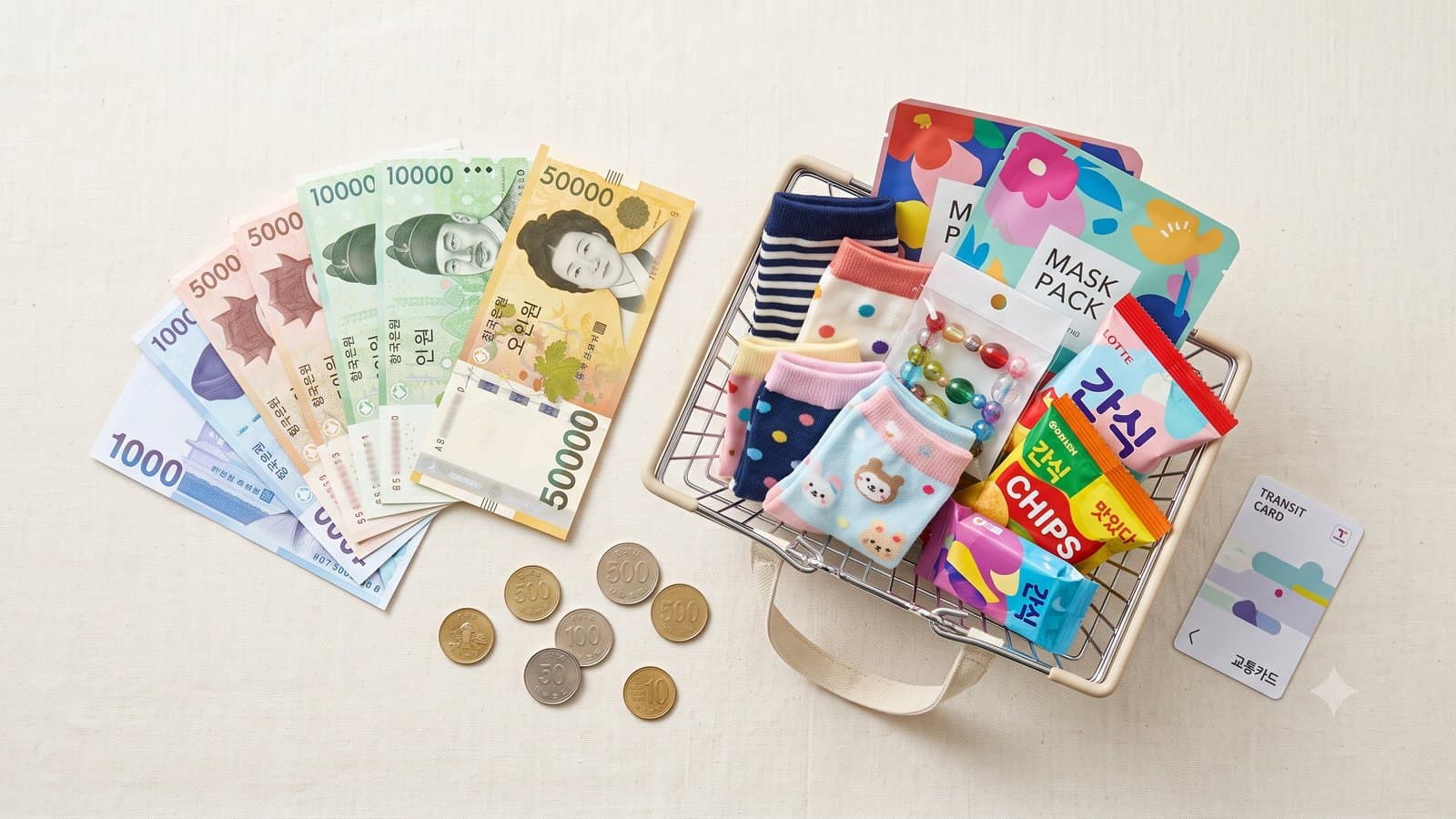
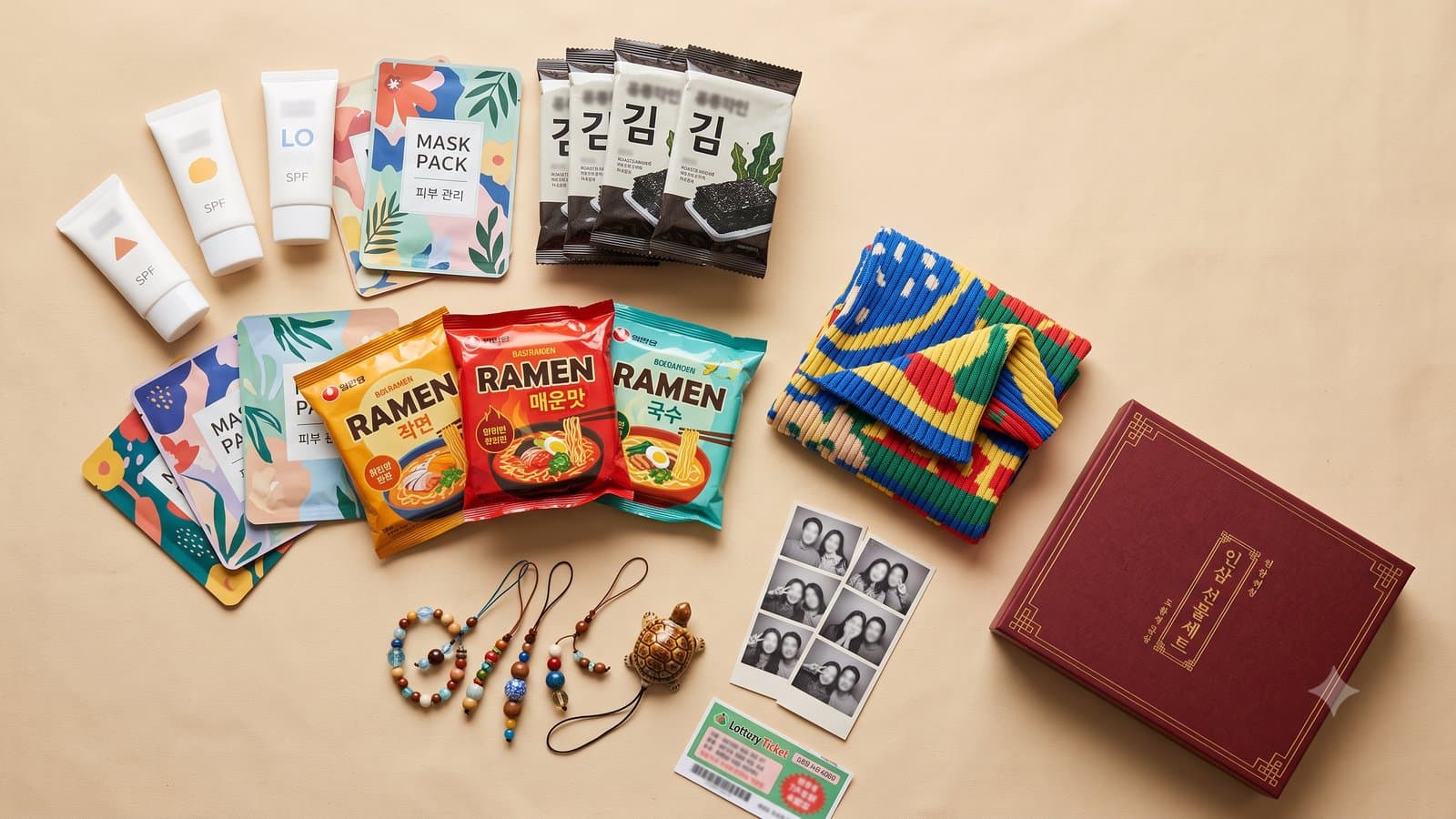
Prices, though, are genuinely low, and that's the point. This is where you buy the 15,000-won summer dress, the stack of socks, the phone strap, the gift-shop haul for coworkers — not the investment piece. Some vendors prefer cash and may offer a small discount for it, though cards are widely accepted these days.
One more note for the risk-aware: Korean media have raised questions about aging underground infrastructure in general — the same Korea Herald piece discusses ground-stability concerns around underground construction. It's a city-planning debate rather than a reason to skip a shopping trip, but it's part of the story of these spaces.
Practical tips
- Go on a weekday if you can. Weekends get crowded, especially at Goto Mall.
- Wear comfortable shoes. 880 meters of corridor is a real walk, and you'll do it twice.
- Carry some cash. Useful for small stalls and occasional cash discounts.
- Navigate by exits. At Express Bus Terminal Station, follow signs for Goto Mall from the station concourse; the mall itself connects to Shinsegae and Central City, so it's easy to drift into the wrong building.
- Haggle gently, if at all. Light negotiation ("is there a discount for two?") is sometimes fine at independent stalls; aggressive bargaining isn't the culture here.
Underground arcades are one of the last places in central Seoul where shopping still feels like a market — small vendors, thin margins, fast-moving stock. If your Seoul shopping list has more "fun and cheap" than "flagship and famous" on it, start below street level.
This article is independent editorial by Seoul Glow. We have no affiliation with any mall, vendor, or brand mentioned. Details like hours and closure days can change — check official listings before you visit.