If Seoul is where you go for K-beauty hauls and palace walks, Jeju is where Koreans themselves go to breathe. The volcanic island off Korea's southern coast is the country's default holiday destination — so default, in fact, that the short hop between Seoul Gimpo and Jeju was the world's busiest airline route in 2025, with 14.4 million scheduled seats, according to aviation data firm OAG.
That statistic tells you two useful things. First, getting there is trivially easy: flights leave Seoul roughly every few minutes at peak times, take about an hour, and are often cheap if you book ahead. Second, you will not have the island to yourself — and planning around that reality is most of the game.
What Jeju actually is
Jeju is a volcanic island roughly 73 km across, formed around Hallasan, South Korea's highest mountain. The island's geology is genuinely world-class: the Jeju Volcanic Island and Lava Tubes — covering Hallasan, the Geomunoreum lava tube system, and the Seongsan Ilchulbong tuff cone, which UNESCO describes as having erupted from the sea around 5,000 years ago — are inscribed as a UNESCO World Natural Heritage site.
The island also has a living culture that's easy to miss if you only hit the photo spots. The haenyeo, Jeju's free-diving women who harvest seafood without oxygen tanks, were recognized by UNESCO as Intangible Cultural Heritage in 2016. You can still watch demonstration dives near Seongsan, and haenyeo-caught seafood shows up on local menus.
Very loosely: the east side is sunrise peaks, stone-walled fields, and ferry trips to little Udo island; the west is calmer beaches, cafés, and tea fields; the south (Seogwipo) is waterfalls and the warmest weather; Jeju City in the north is where you land, eat well, and sleep cheaply.
The honest take: Jeju is a road-trip destination, not a city break
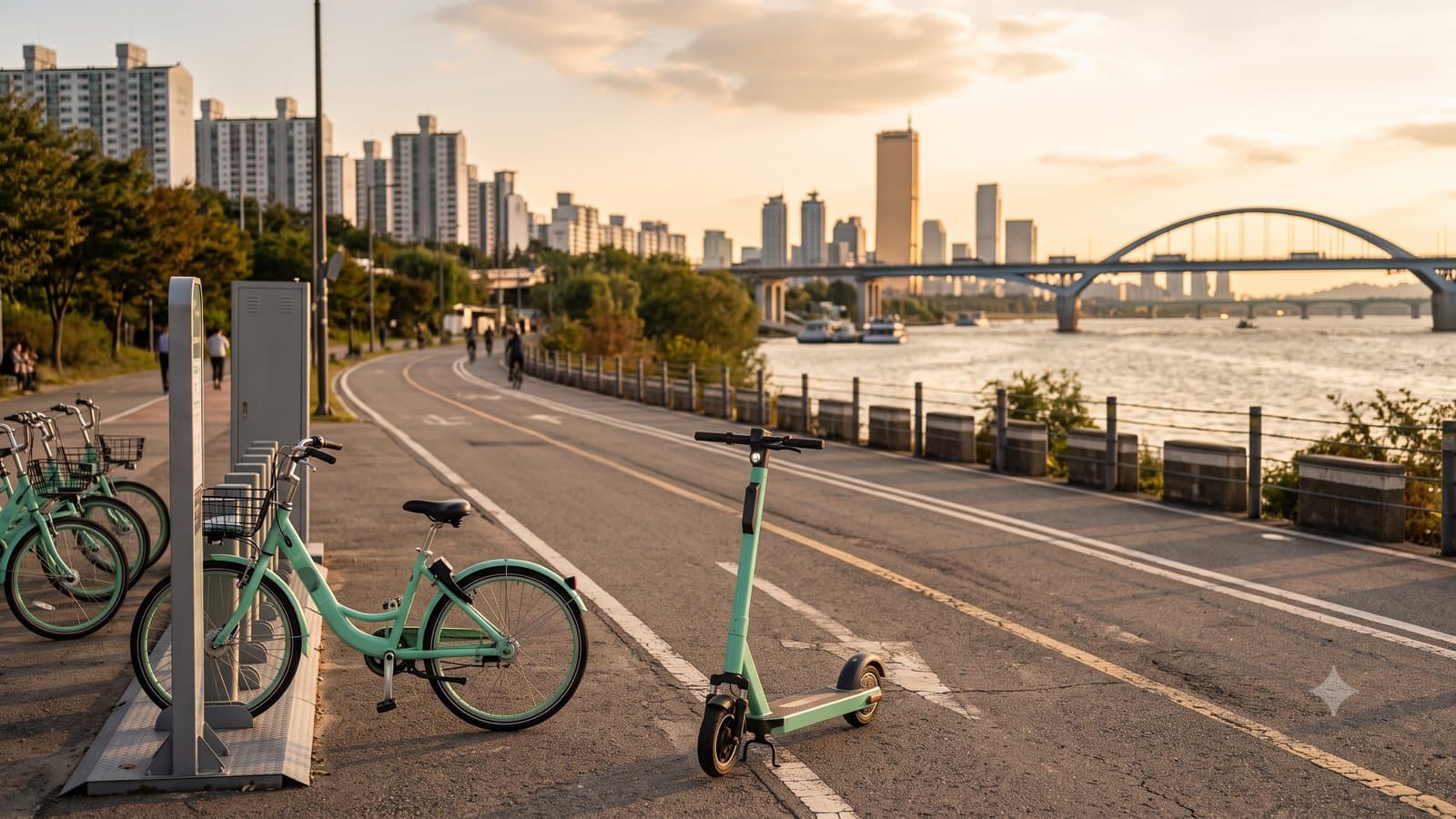
This is the thing first-timers most often get wrong. Jeju's sights are scattered around a coastal ring with the mountain in the middle. There is no subway, and while the bus network is real and tourist-usable — fares run about a dollar or two per ride and T-money cards work, with English stop announcements — cross-island trips involve transfers, waits, and rural stretches with infrequent service.
So the practical fork in the road:
- If you can drive: rent a car. It transforms the trip. But note that Korea requires a 1949-convention International Driving Permit alongside your home license, and you must get the IDP in your home country before you fly — it can't be issued in Korea. Rental desks will ask for passport, home license, and IDP.
- If you can't: Jeju is still doable by bus and taxi, just slower. Base yourself in Jeju City or Seogwipo, cluster each day's plans in one region, and treat anything beyond two stops a day as a bonus. Day-tour buses are a reasonable middle ground.
The other honest note: parts of Jeju are heavily commercialized. Between the genuinely great volcanic landscapes sit paid mini-attractions of wildly varying quality. You don't need most of them. The island's best material — the coast, the oreum (small volcanic cones you can walk up in 30 minutes), the sea-view seafood restaurants — is either free or cheap.
Hiking Hallasan: plan this one in advance
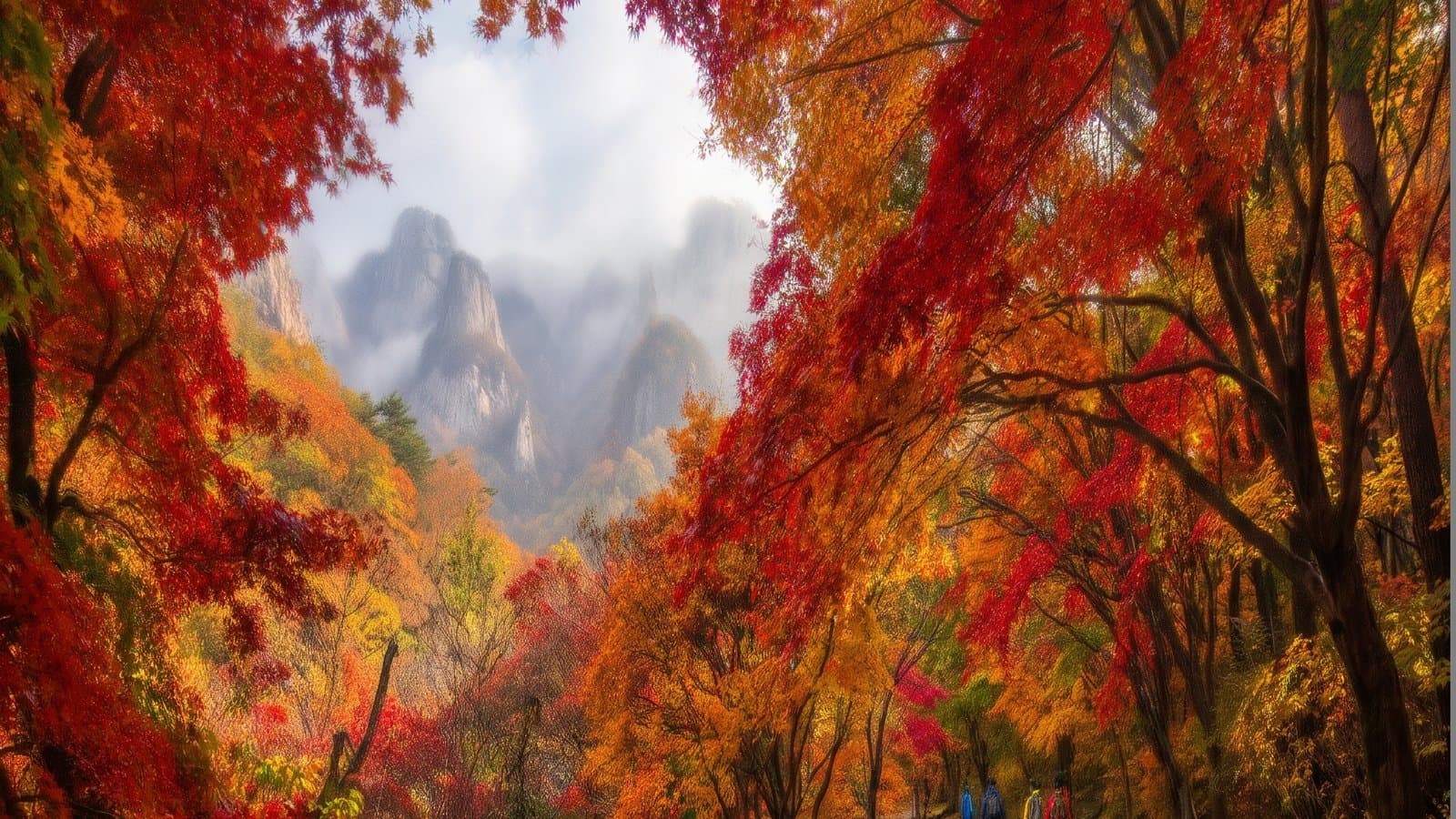
Summiting Hallasan is many visitors' single best Jeju memory, but it's not a spontaneous stroll. The two summit trails, Seongpanak and Gwaneumsa, use a free advance reservation system with daily caps — reportedly around 1,000 hikers for Seongpanak and 500 for Gwaneumsa — with QR-code check-in at the trailhead and strict checkpoint cutoff times so nobody descends in the dark. The park has temporarily suspended the reservation requirement during some off-peak periods, so check the official reservation site for current rules before you commit. Non-summit trails like Yeongsil and Eorimok don't require reservations and still deliver big scenery for less effort.
Practical planning notes
- How long: three nights is the comfortable minimum; two feels rushed once you factor in flight times. Don't attempt Jeju as a day trip from Seoul.
- When: late spring and autumn are the sweet spots. Summer is beach season but humid and crowd-heavy; Jeju weather is famously windy and changeable year-round, so build slack into any hiking day.
- Booking flights: the Gimpo–Jeju route's absurd frequency means fares swing a lot — weekday morning flights are usually the cheapest and least chaotic.
- Eat local: grilled heuk-dwaeji (Jeju black pork), fresh abalone, and hallabong citrus in winter are the island's signature tastes.
Jeju rewards travelers who pick a base, rent wheels if they can, and accept that they'll only see one island's worth of the island per trip. Go in with that mindset and it's easy to see why Koreans keep filling the world's busiest air route to get back.
This article is independent editorial by Seoul Glow. Details like reservation rules, schedules, and fares change — verify with official sources before you travel.