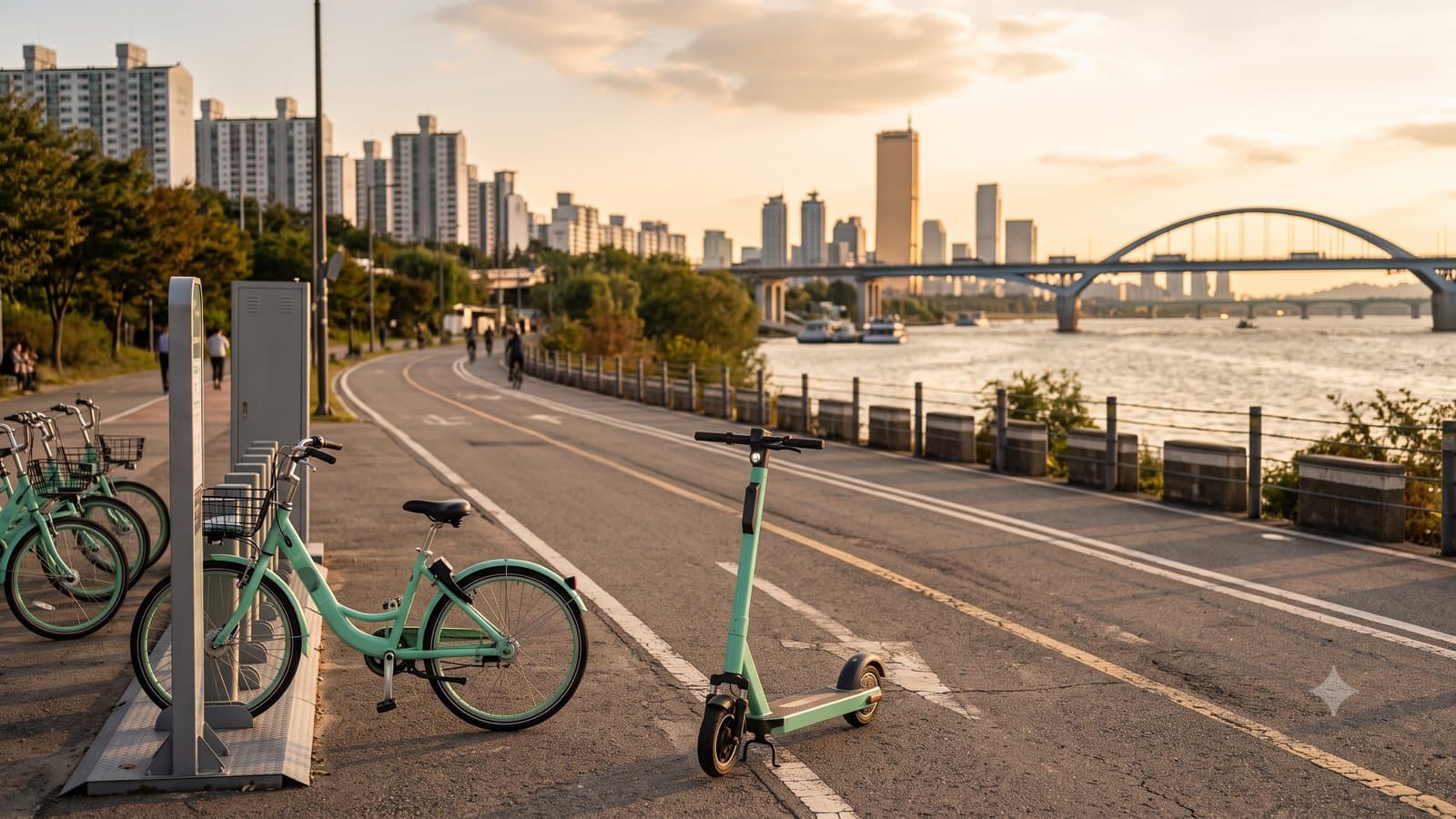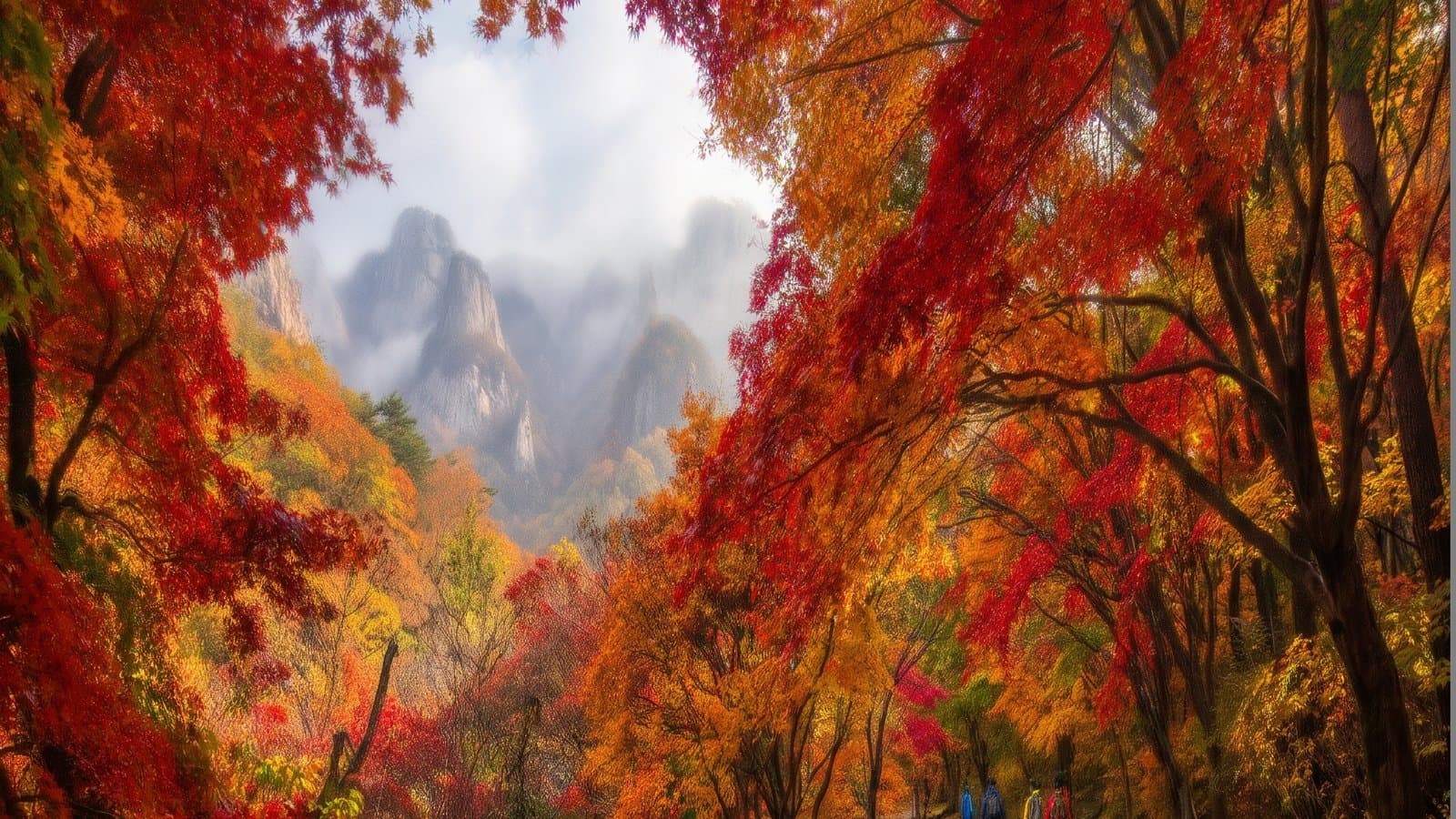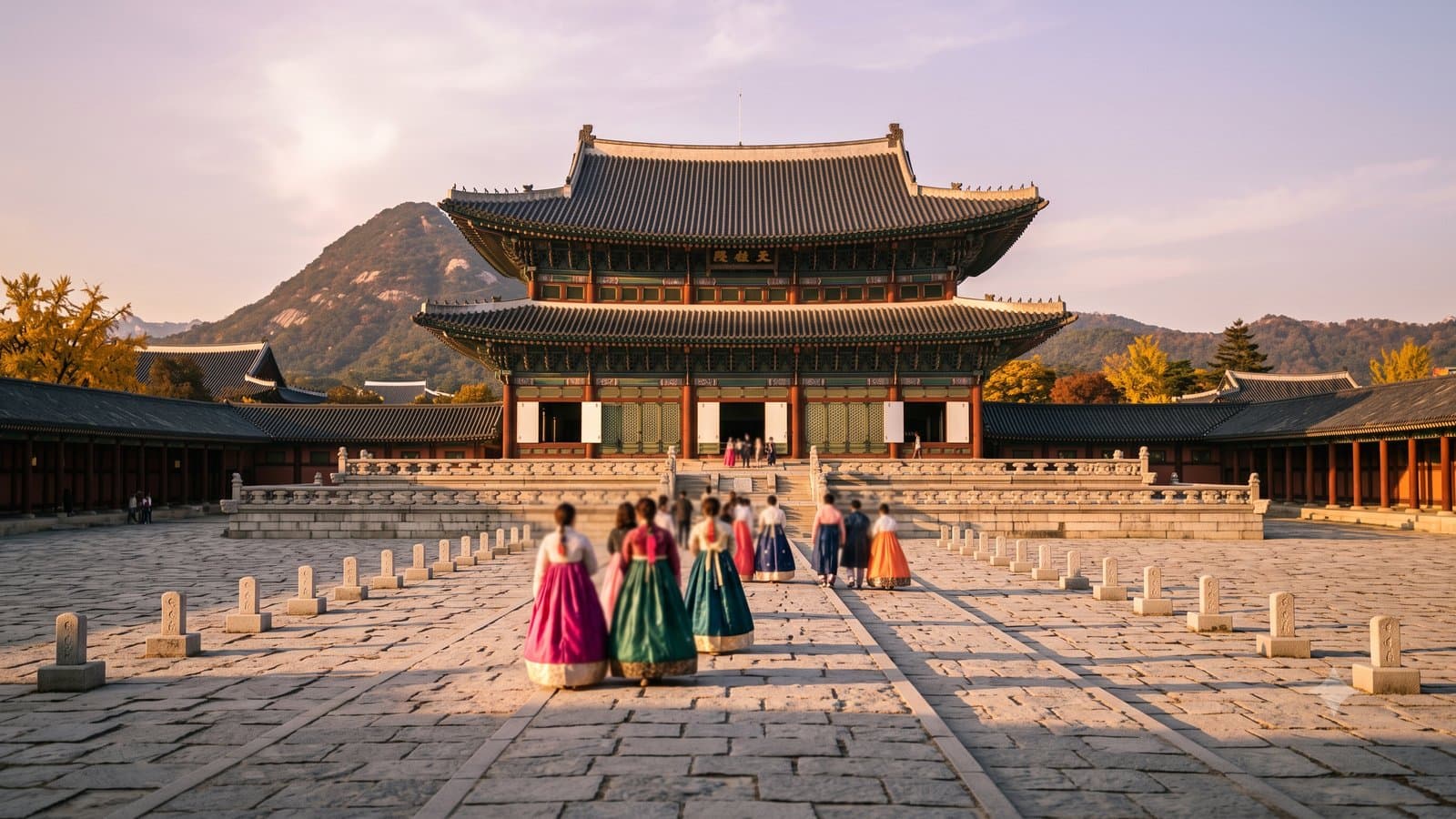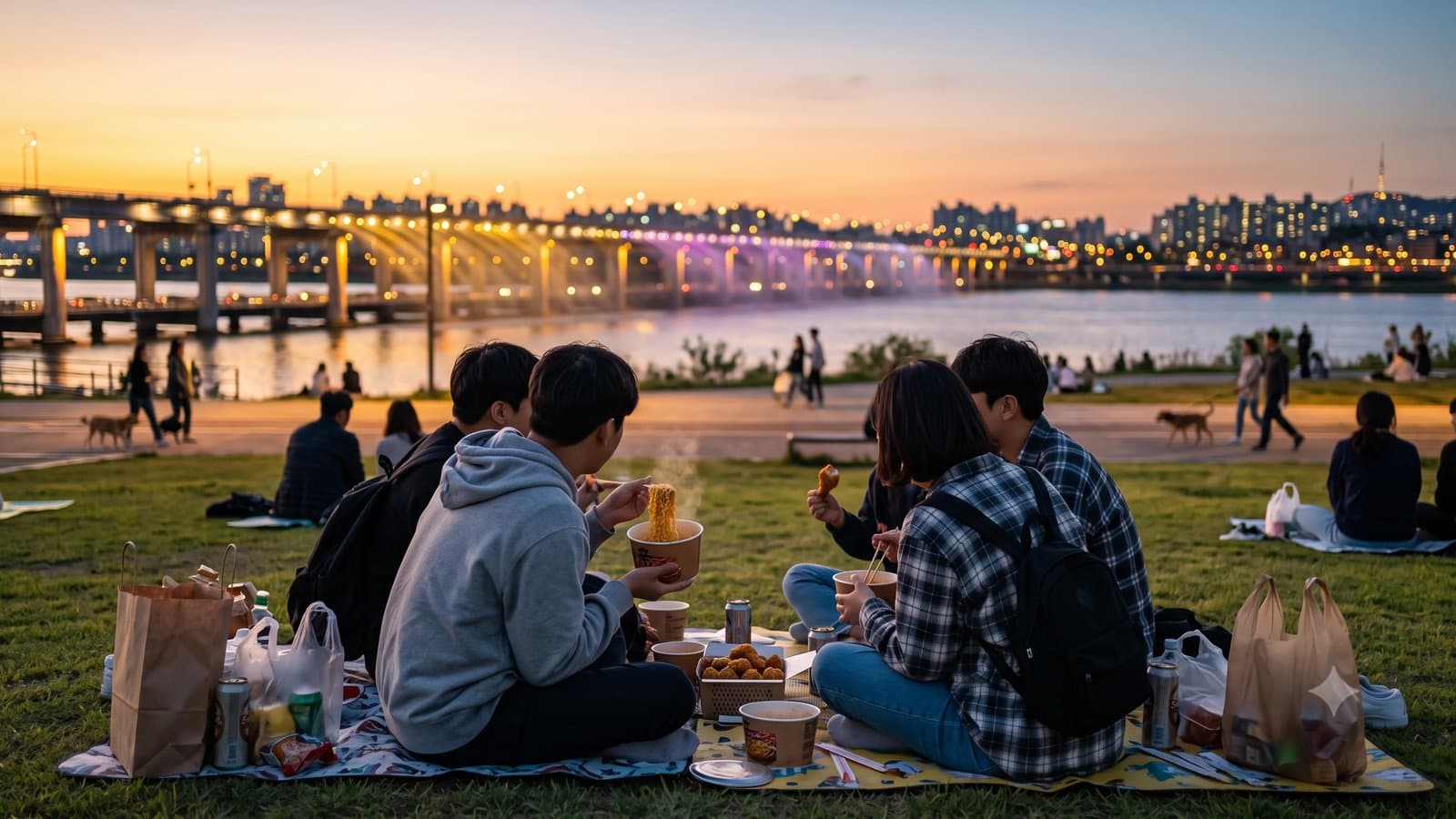
Something has shifted in how people visit Korea. The bucket list used to be palaces, towers, and shopping streets; now, as Korean media has noticed, the fastest-growing trend among foreign visitors is "living like Koreans" — eating instant noodles by the Han River, drinking chimaek on a picnic mat, and building days around the small routines Koreans don't even think of as attractions.
It makes sense: the landmarks explain Korea's past, but the routines explain why everyone fell for Korea in the first place. Here's a full local day, hour by hour — every stop is something Koreans actually do weekly, not a show staged for visitors.
Morning: the bakery run and the commute
Start where Korean mornings actually start: a neighborhood bakery-café. Korea's bread scene is serious enough that locals do bbangjisullye — "bread pilgrimages" — but the local version is simpler: a salt bread roll, an iced americano (year-round; this is non-negotiable culture), and a window seat.
Then ride the subway like a commuter, not a tourist: get a T-money card, transfer without exiting, and note the quiet-car etiquette. Our getting-around guide covers the mechanics — the local skill is doing it without looking up from your phone.
Midday: bunsik, then errands you don't need
Lunch is bunsik — Korea's everyday snack-food tier: tteokbokki, kimbap, fried things on sticks. Sit at a counter, order two things, share nothing gracefully.
Afterward, do the most Korean activity of all: errands you don't actually need. Browse an Olive Young testing serums you'll think about for three days, then a Daiso for a ₩3,000 item you'll use forever. This is genuine Korean leisure — recreational retail at pocket-money prices.
Afternoon: the four-cut ritual and a coin noraebang set
Two small rituals define Korean hangouts:
- Life4Cuts photo booth — four-cut photo strips are a national habit: friends, couples, even solo. Pick the frame, do the poses, keep the strip in your wallet like everyone else.
- Coin noraebang — not the big group karaoke room, but the two-person glass booth where you sing three songs for pocket change between other plans. Koreans treat it like a coffee break with a microphone.
If it rains, the local move is a jjimjilbang afternoon — see below, it works at any hour.
Golden hour: the Han River, done properly
This is the centerpiece — the scene that tops actual visitor bucket lists now. The full ritual, per our Han River picnic guide:
- Rent a mat or grab a spot on the grass at Yeouido or Ttukseom as the sun drops.
- Cook ramyeon at the convenience store's instant-noodle machine — the GS25/CU riverside branches have dedicated cookers; it's a skill with three steps and enormous payoff. (Warm-up reading: our convenience store food combos.)
- Or order chimaek — fried chicken delivered directly to the riverbank, plus beer from the same convenience store.
- Stay past sunset; the bridges light up and half of Seoul is on the grass with you. In summer, the night markets stack on top.
There is no better ₩10,000 evening in Asia.
Night: sleep like a local (or don't)
End at a jjimjilbang — the Korean bathhouse-spa where locals actually go to reset: scrub, saunas, sheep-towel hat, sikhye and baked eggs on the heated floor. Brave version: skip the hotel entirely and sleep in the common room like exam-season students do. Gentler version: two hours, then home by midnight.
Prefer a drink? Korea's drinking culture runs on anju — food ordered with alcohol — so a pojangmacha (tent bar) round of soju with a shared pancake is the local nightcap.
The conversation kit
Living like a Korean includes talking like one. Three cheat codes: know your MBTI (you will be asked), learn the two speech levels exist (politeness is structural, not optional), and have an answer ready for "why do Koreans…?" curiosities — because you'll be the one asking.
The honest take
You don't have to choose between this and the palaces — our 3-day itinerary fits both. But if you have one unscheduled day in Korea, spend it this way. The palaces will still be there in photos; the feeling of being briefly, ordinarily Korean — ramyeon steam, river wind, a photo strip in your pocket — is the souvenir nobody can buy retroactively.
All linked guides are our own independent editorial with practical details current as of their publish dates — prices and store setups change; nothing here is sponsored.