Most first-time Seoul itineraries fail the same way: they're organized by sights instead of neighborhoods, so you spend half the trip underground on the subway. Seoul rewards the opposite approach — pick one part of the city per day, go deep, and let the food and side streets fill the gaps.
Here's the three-day structure we'd give a friend, with links to our deeper guides where a stop deserves more than a paragraph.
Before you land: the 10-minute setup
Do this first, because nothing else works smoothly without it: Google Maps doesn't do navigation in Korea. You'll need Naver Map or KakaoMap, plus a T-money transit card from any convenience store. We wrote the full setup — including why Google Maps is legally hobbled here and whether the tourist transit pass is worth it — in our getting around Seoul guide. Read it on the plane.
Day 1 — Old Seoul (Gyeongbokgung, Bukchon, Insadong)
Start where the city started. Gyeongbokgung, the main Joseon palace, opens in the morning and is at its photogenic best before the tour buses arrive — note it closes on Tuesdays, so plan around that. A detail most visitors learn too late: wearing a rented hanbok gets you free palace admission, and the rental shops cluster conveniently around the palace gates.
Walk out the east side into Bukchon Hanok Village, the hillside maze of traditional homes between the palaces. It's a residential area, so the vibe is quiet lanes and tiled rooflines, not attractions — which is exactly the point. Drift downhill into Insadong for tea houses, craft shops, and an easy lunch.
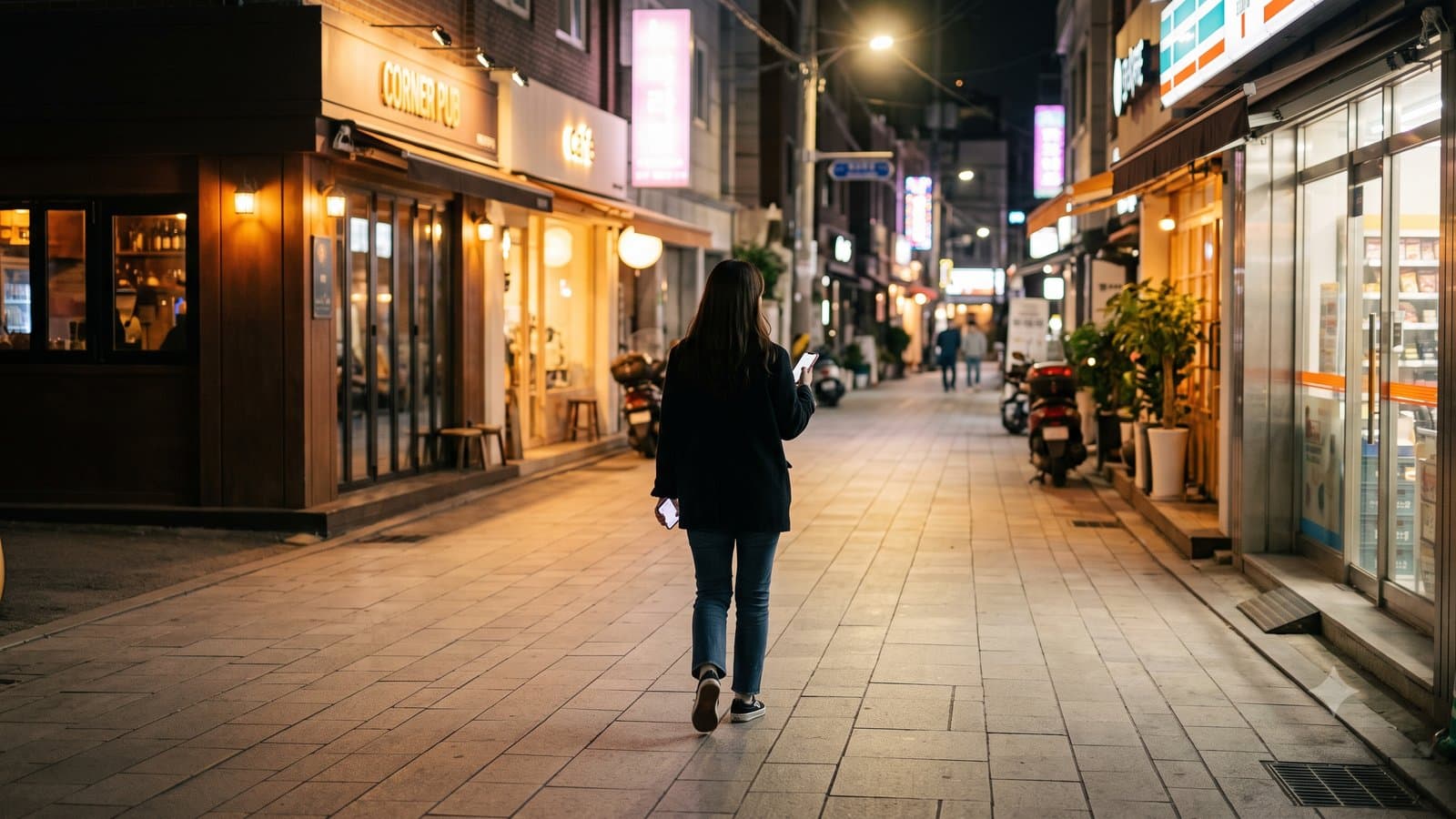
For the evening: Cheonggyecheon, the sunken stream that cuts through downtown, is a lovely dusk walk, or head up N Seoul Tower if you want the skyline-at-night moment. If your energy dips earlier, there's no shame in a first-night convenience store dinner — we're serious, Korean convenience stores are a genre of their own.
Day 2 — Trend Seoul (Seongsu, the Han River)
This is the Seoul that fills your feed. Spend the morning and lunch in Seongsu, the converted-warehouse district that functions as the city's design showroom — we broke down how it fits into Seoul's street fashion neighborhood map. Cafes here double as galleries; dress accordingly.
Afternoon is for K-beauty. Hit a flagship Olive Young and shop like you know what you're doing — our complete Olive Young guide covers the tax refund, the house brands worth grabbing, and the tourist traps. If you want to go deeper, this is the day to book a glass skin facial — no downtime, instant glow.
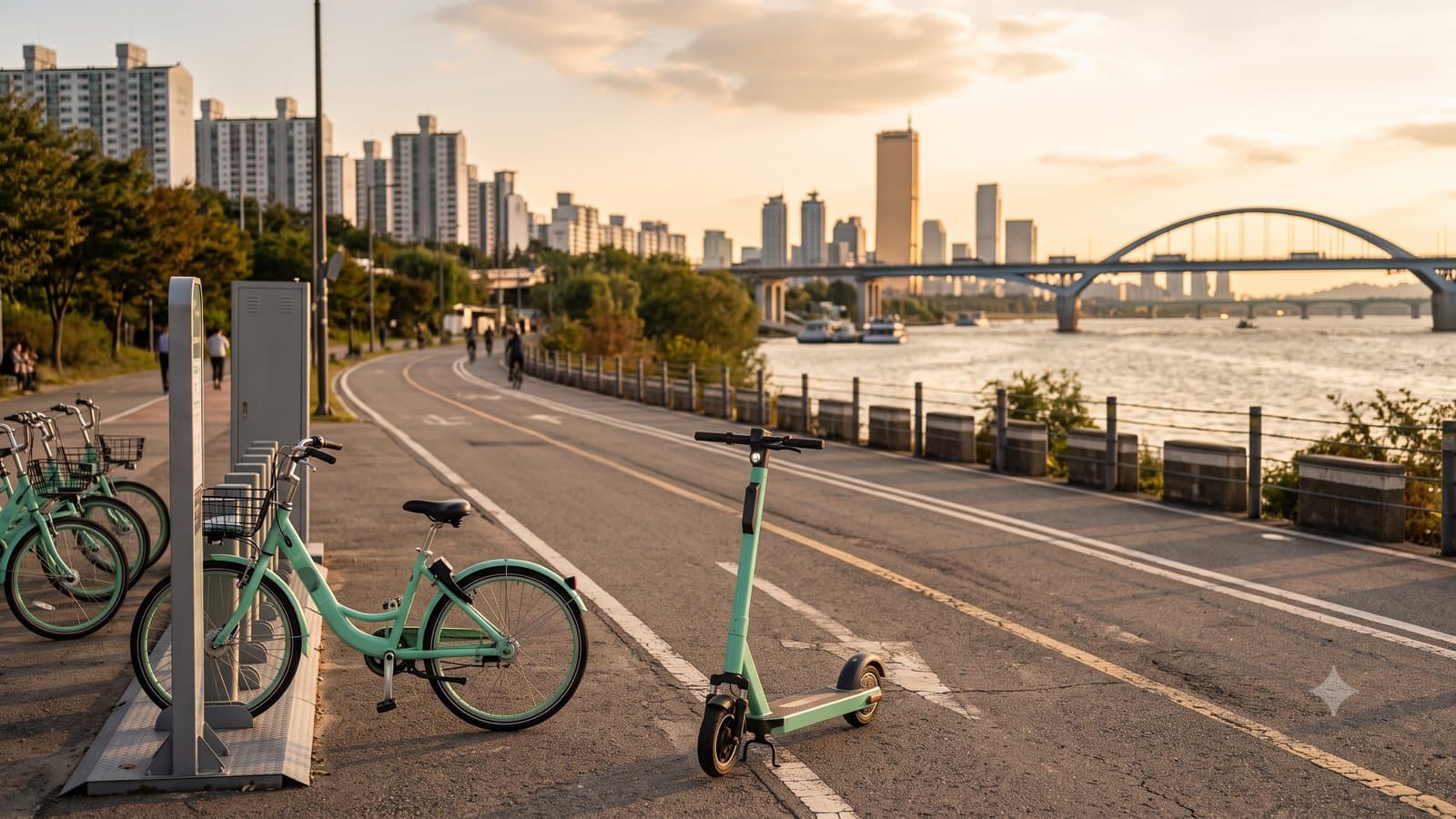
Then do the most Korean evening available: buy snacks and something to drink, and join the picnic crowds on the Han River banks. We wrote about why the Han River picnic is Seoul's real social institution — fried chicken delivered to your mat included. On the way back, squeeze into a Life4Cuts photo booth with your travel companions. It's ₩4,000-ish and it will outlast every other souvenir.
Day 3 — Markets, Myeongdong, and the recovery finish
Morning at Gwangjang Market — the century-old covered market where you eat standing up: bindaetteok (mung bean pancakes), mayak gimbap ("narcotic" mini rolls — the nickname refers to how addictive they are), and if you're brave, live octopus. Go hungry; graze widely. For background on Korea's snack-food canon before you go, our tteokbokki and bunsik explainer and kimbap deep dive are the pre-reading.
Afternoon in Myeongdong for last-call shopping — street food stalls, cosmetics roadshops, and a Daiso run for the underrated souvenirs (genuinely: Korean Daiso is a different animal).
Then end the trip the way Koreans end a hard week: a jjimjilbang. A few hours cycling between hot saunas, cold baths, and the floor-lounging common room resets you completely before a long flight. First time? Our jjimjilbang guide covers the etiquette, the sheep-head towel, and exactly what happens at the entrance so nothing surprises you.
Swaps, depending on who you are
- Need quiet over crowds? Swap Day 3's markets for a temple stay — even the day programs shift your gears down.
- Traveling with thrill-seekers? Siheung's Wave Park — the world's largest artificial surf park — is a legitimate day-trip swap for Day 2.
- Wellness-first trip? Trade Myeongdong for Gangnam and build the afternoon around a premium wellness session.
Practical notes
- Where to stay: Myeongdong for first-timer convenience, Hongdae for nightlife and budget, Seongsu if you want to live inside Day 2. All three sit on fast subway lines.
- Money: Cards work almost everywhere; keep some cash for markets and T-money top-ups. Tipping is not a thing in Korea — don't.
- Pacing: Seoul is a late city. Palaces close by early evening, but neighborhoods peak after dark. Schedule accordingly — mornings for sights, nights for wandering.
Three days won't finish Seoul — it's not supposed to. It's supposed to make the second trip inevitable.
This article is independent editorial by Seoul Glow. Opening days, prices, and programs change — check official sites for current details before you go.