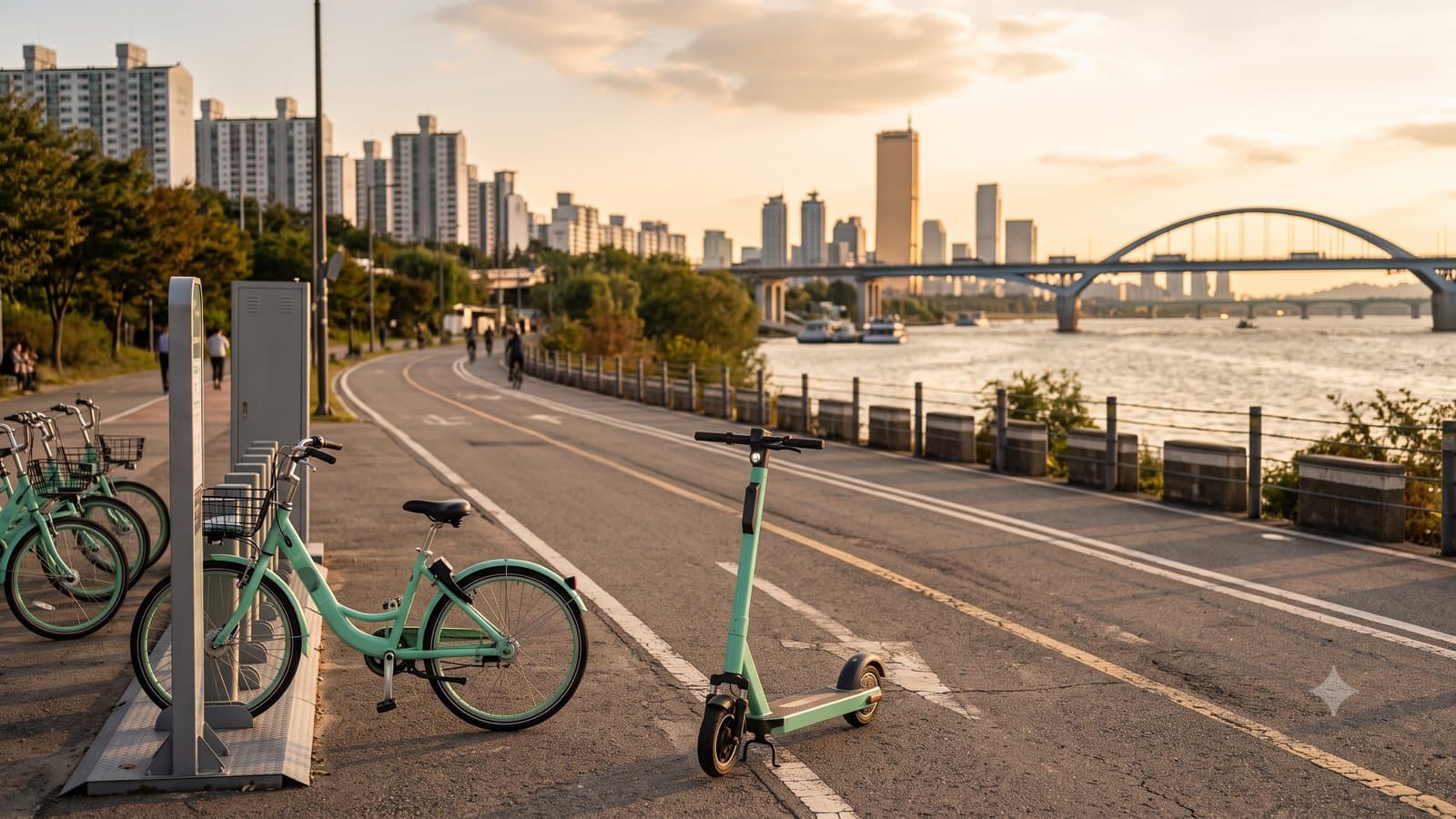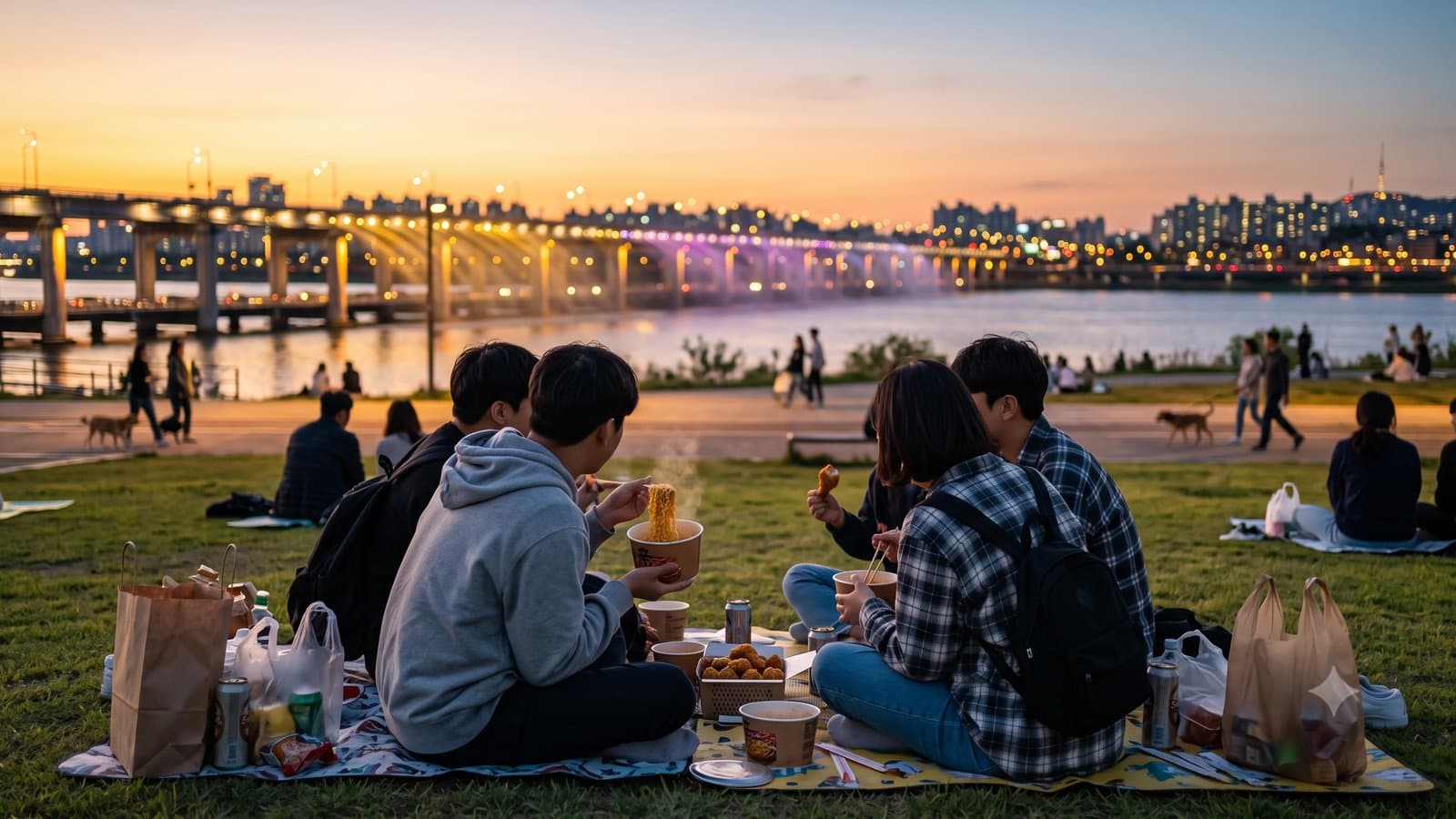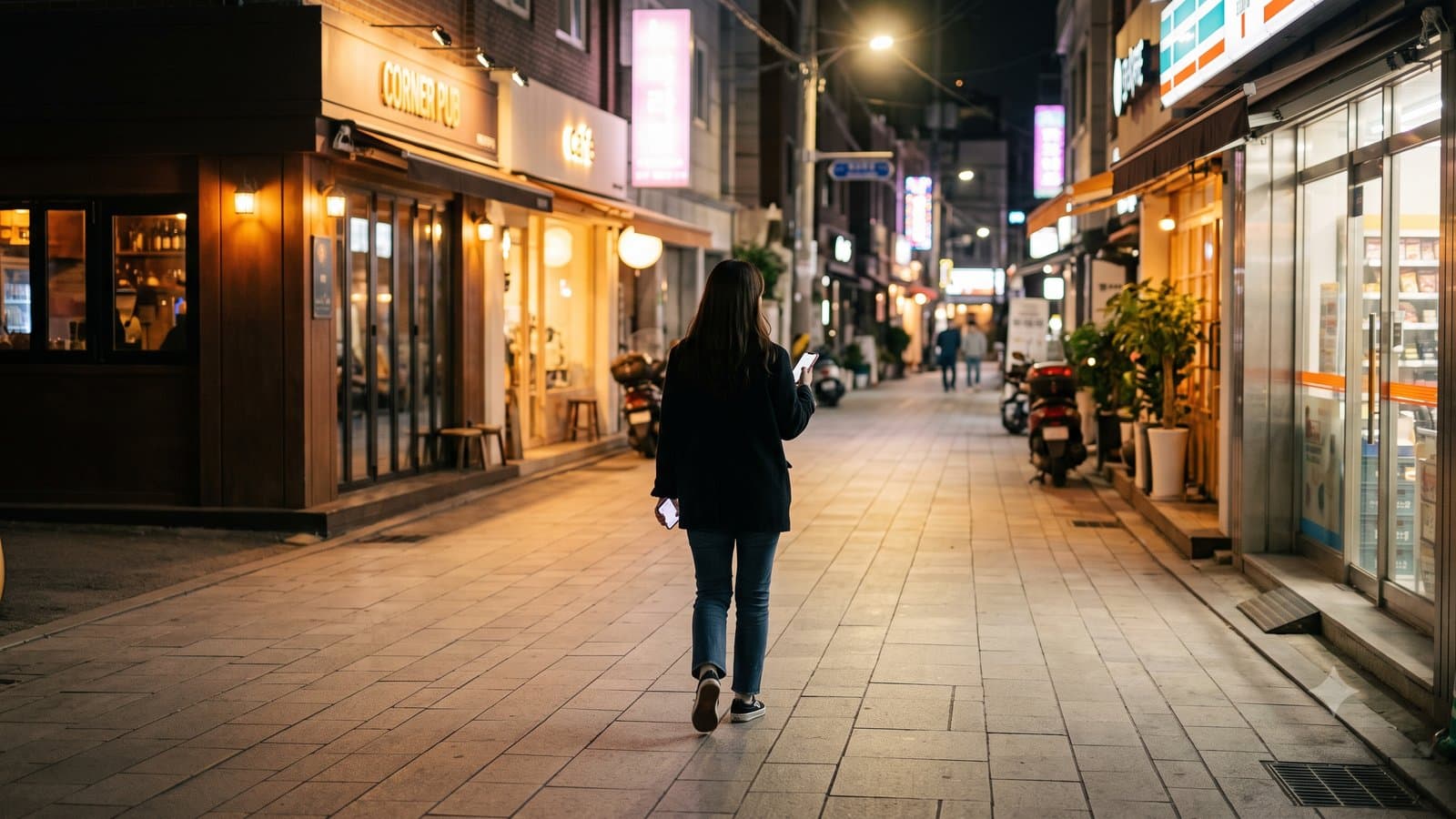
Here's the question every first-time visitor quietly googles: which neighborhoods should I avoid in Korea? And here's the answer that surprises people: there's no list. Korea simply doesn't have no-go zones in the sense that question assumes — no districts where tourists shouldn't walk, day or night. What it has instead is a short list of situations worth knowing about, which is a much more useful thing to learn.
The numbers behind the reputation
The safety reputation is not vibes — it's statistics:
- Korea's homicide rate is about 0.53 per 100,000 people — roughly one-sixth of the OECD average, behind only a couple of countries worldwide.
- Seoul's Numbeo crime index sits around 25 out of 100 — among the lowest of any megacity on earth.
- In Korea Tourism Organization surveys, over 91% of foreign visitors rate Korea's public safety as satisfactory.
The lived version of those numbers is the famous cafe laptop test: Koreans routinely leave laptops and phones unattended to hold tables, and they're there when they come back. Solo travelers — including women — walk home from late dinners as a matter of course. Lost wallets turn up at police boxes with the cash inside often enough that it's a genre of tourist story.
Why? Dense foot traffic at all hours, everywhere-CCTV, strict weapons laws, and a strong social norm against petty theft all stack together. Whatever the recipe, the result is a country where your default state can be relaxed.
The honest fine print: five situations, not neighborhoods
Safe country, human beings — the caution list is short but real:
- Late-night club districts, your drink, your judgment. In nightlife-heavy areas, apply the universal rule: keep your drink in sight and skip drinks from strangers. Spiking incidents are statistically rare in Korea, but they're the one crime category where tourists in party districts are the target profile. Clubs at 3 a.m. are the least-Korea part of Korea; treat them like clubs anywhere.
- Touts — never follow one. The classic tourist-district hustle is a friendly tout steering you into a bar where the bill arrives with imaginative math. The rule has no exceptions: bars worth drinking at don't need street recruiters. Pick your own door and this scam cannot touch you.
- Crowds in narrow places. After a deadly crowd crush in 2022, Korea overhauled event crowd management — you'll see the control measures at every festival now. Do your part: if a packed alley makes you hesitate, trust that instinct and route around. This applies to Halloween weekends, fireworks festivals, and anywhere the crowd stops flowing.
- Drunk friction, don't engage. Korea's drinking culture means late-night streets have their share of loud, wobbly company. The occasional belligerent drunk wants an audience — don't be one. Step around, move on; physical escalation is genuinely rare.
- Traffic is the real danger. Statistically, your biggest risk in Korea isn't crime — it's crosswalks. Watch for delivery scooters (including on sidewalks, where they don't belong), and don't assume a green light stops every right-turning car.
Honorable mention for planning: demonstrations around Gwanghwamun on weekends are peaceful, legal, and loud — a traffic consideration, not a safety one.
The numbers to save before you land
- 112 — police · 119 — fire and ambulance (both connect to interpretation services when needed)
- 1330 — the Korea Travel Hotline: run by the Korea Tourism Organization, 24/7, in eight languages — tourist help, complaint mediation, and real-time interpretation when you're stuck anywhere. This is the single most underused tool in Korean travel; it will even three-way translate between you and a taxi driver.
- Pharmacies (약국) handle minor issues; hospitals have international clinics in major cities.
For women and solo travelers specifically: the practical consensus — and the statistics — put Korea among the easiest countries anywhere for traveling alone. The standard global precautions you already know are the whole list; nothing Korea-specific needs to be added, and much can be subtracted.
The honest summary
Korea's actual safety briefing fits in one sentence: there are no places to avoid, only late-night party judgment to keep, touts to ignore, crowds to read, and crosswalks to respect. Spend the anxiety you budgeted for safety on the real dangers instead — the bead aisle at Daiso and a fried chicken order at midnight have claimed far more travel budgets than any neighborhood in Korea.
Statistics per cited sources as of October 2026. This is general travel information, not a guarantee — conditions change, and your judgment travels with you. In an emergency: 112 (police), 119 (medical), 1330 (tourist help, 24/7).